

Elderly Care-Based, Silver Economy-Based, and Active Ageing -Based Regional Development in Poor Rural Areas in the Central European Region
Written by Kinga Milankovics and ChatGPT together
Contents:
Demographic and Economic Context
Elderly Care as a Catalyst for Growth
The Silver Economy as a Driver
Active Ageing and Community Engagement
Sustainable and Circular Practices
Regional and Societal Benefits
Introduction
Rural areas in Central Europe face a combination of challenges, including demographic ageing , economic stagnation, and the migration of younger generations to urban centers. These trends have left many rural regions underpopulated, underdeveloped, and unable to sustain their economies. At the same time, Europe’s ageing population presents a growing demand for elderly care, creating an opportunity to address these challenges with innovative regional development strategies.
This article explores how elderly care, coupled with the silver economy and active ageing principles, can serve as a catalyst for revitalizing economically disadvantaged rural areas in countries such as Hungary, Croatia, Slovakia or Italy. By integrating these elements with sustainable practices and community engagement, rural regions can transform into thriving, intergenerational communities that meet the needs of retirees while fostering economic and social vitality.
Demographic and Economic Context
- Ageing Populations: Central Europe’s population is ageing rapidly. In countries like Hungary, Croatia, and Italy, individuals over 65 years old already comprise 20-25% of the population, a figure projected to grow significantly by 2050. This demographic shift places pressure on public healthcare, pensions, and social services, while creating opportunities to meet the needs of this growing population.
- Rural Depopulation: Rural areas suffer from youth migration to urban centers, leaving behind ageing populations and dwindling workforces. Villages that were once vibrant now face economic stagnation, eroding infrastructure, and limited investment.
- Economic Stagnation: The decline of traditional industries, such as small-scale agriculture and manufacturing, has left rural economies struggling to remain competitive. Many regions have rich cultural heritage and natural beauty but lack modern infrastructure and opportunities to attract investment.
Elderly Care as a Catalyst for Growth
Affordable and High-Quality Services
Rural areas can position themselves as cost-effective hubs for elderly care, attracting retirees from wealthier parts of Europe who seek affordable and high-quality services. Retirees bring financial resources through pensions and savings, creating demand for healthcare, housing, and social engagement services.
Integrated Care Models
Care services can be designed to include healthcare, assisted living, wellness programs, and cultural engagement, creating a holistic care environment that supports physical, emotional, and social well-being.
The Silver Economy as a Driver
The silver economy focuses on meeting the needs of older adults while harnessing their contributions to society. In rural areas, this can:
- Create New Markets: Develop products and services such as assistive devices, health technologies, and wellness programs tailored to the elderly.
- Foster Entrepreneurship: Support local businesses catering to retirees, such as accessible tourism, cultural activities, and local crafts.
- Boost Local Economies: The increased purchasing power of retirees stimulates spending in healthcare, hospitality, and retail sectors.
Active Ageing and Community Engagement
Promoting Health and Well-Being
Active ageing initiatives emphasize healthy lifestyles, social inclusion, and lifelong learning for older adults. Programs that encourage physical activity, mental stimulation, and community participation help retirees maintain independence and quality of life.
Intergenerational Exchange
By integrating retirees with local youth, communities can foster cultural exchange, mutual learning, and stronger social bonds. Retirees can contribute by sharing skills, mentoring, or participating in community projects.
Sustainable and Circular Practices
Local Food Systems
Developing organic and sustainable agriculture tailored to the dietary and health needs of elderly populations supports both the local economy and environmental goals. Establishing short supply chains between farms and care facilities reduces costs and ensures high-quality food.
Circular Economy Principles
- Resource Efficiency: Recycling, composting, and renewable energy adoption can reduce waste and environmental impact.
- Local Manufacturing: Producing healthcare products and assistive technologies locally ensures that economic benefits stay within the region.
Opportunities for Local Youth
Job Creation
The expansion of elderly care services creates employment opportunities in healthcare, hospitality, agriculture, and infrastructure.
Skill Development
Training programs focused on elder care, sustainable farming, and green technologies equip young people with valuable skills, fostering long-term economic growth.
Entrepreneurship and Leadership
Encouraging youth to start businesses or participate in cooperatives related to elderly care and local services can invigorate rural economies and foster innovation.
Regional and Societal Benefits
- Economic Revitalization: Retirees’ financial contributions and the growth of related industries stimulate local economies.
- Demographic Balance: Attracting retirees and retaining youth helps stabilize population declines in rural areas.
- Social Cohesion: Intergenerational and intercultural interactions create inclusive, vibrant communities.
- Environmental Sustainability: Sustainable practices in food production and resource management reduce environmental degradation.
Policy Recommendations
- Government Incentives: Provide tax benefits and subsidies to attract investment in elderly care and sustainable infrastructure.
- Public-Private Partnerships: Collaborate with private enterprises and NGOs to fund and manage care facilities, training programs, and development projects.
- EU Funding: Leverage European Union programs for rural development, green innovation, and social inclusion to support implementation.
Conclusion
Elderly care-based, silver economy-driven, and active ageing -centered development offers a transformative strategy for revitalizing poor rural areas in Central Europe. By integrating these elements with sustainable practices and intergenerational engagement, rural regions can address demographic and economic challenges while creating vibrant, inclusive communities. This model not only benefits ageing populations but also generates opportunities for younger generations, aligning with broader European goals of sustainability, social cohesion, and economic resilience.
In 2020 Hekate Foundation and Janoshida Municipality, Hungary started a strategic cooperation to realize the above-mentioned concept. More info about this cooperation: www.janoshida.eu
The original concept was written by Kinga in Hungarian, in 2019. It can be found here.
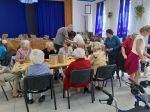
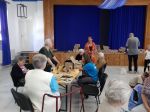
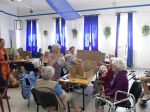
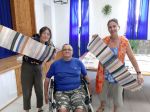
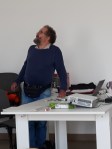
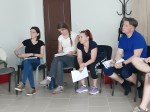
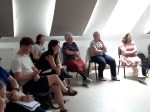
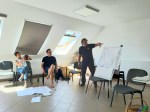
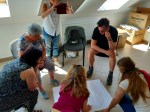
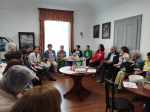
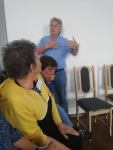
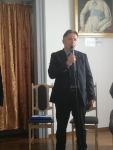
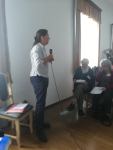
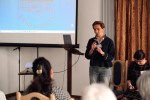
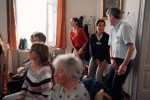
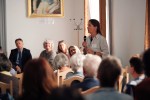
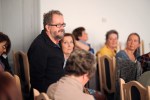
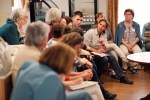
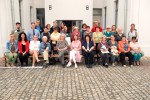
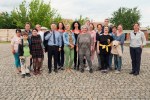
Finally, a few pictures from Janoshida, where young and old, the Municipality, local NGOs, experts, members of the local community, social care providers, the vice-mayor, and the mayor work closely together to co-create the future of the village and the region. All of that is based on the above-described regional development concept.














 Hekate