
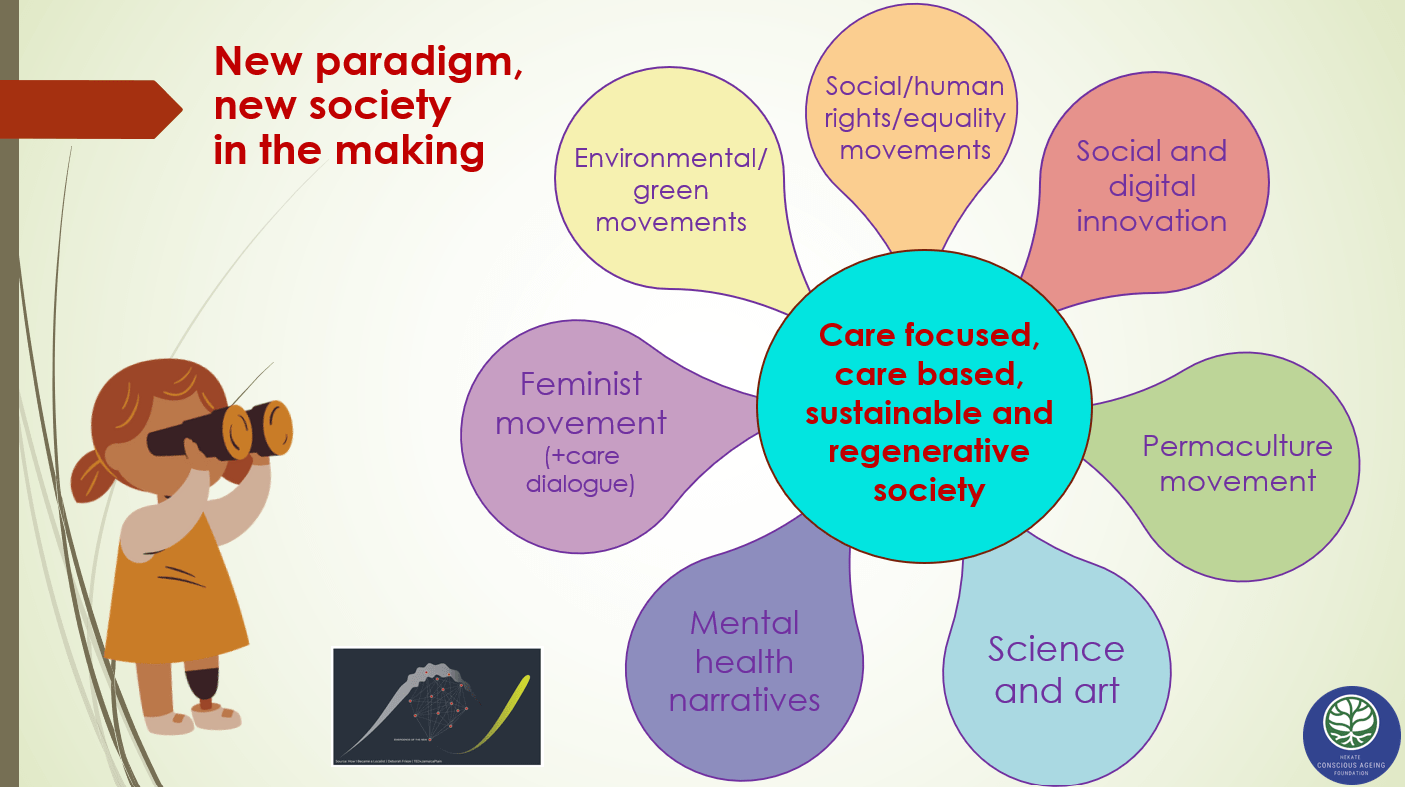
 Between 2021 and 2024 the Hekate Conscious Ageing Foundation (HCAF) together with the Erasmus+ project partners has made significant strides in addressing social isolation and mental health among ageing and elderly individuals through its social permaculture project called Social Peas. By integrating principles of permaculture, the project has successfully created a multifaceted approach to enhancing the well-being of vulnerable adults, particularly focusing on mental health and social connectivity.
Building Communities and Combatting Isolation
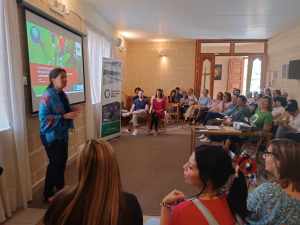
Central to the project was its commitment to building strong, supportive communities for the ageing and the elderly. Recognizing the pervasive issue of social isolation, we organized a range of community-building activities both online and offline. These events and gatherings brought together vulnerable adults, fostering an environment where they could interact, share experiences, and form meaningful connections. By creating a sense of active-participation-based belonging, these activities helped mitigate the feelings of loneliness and disconnectedness that many people feel.
Engaging Workshops and Educational Program
The project also featured diverse workshops and educational programs tailored to mental-health related experts and support workers, as well as vulnerable adults themselves. All this was based on permaculture and especially social permaculture and how they can be used in non-garden setups.
 Empowerment Through Social Permaculture
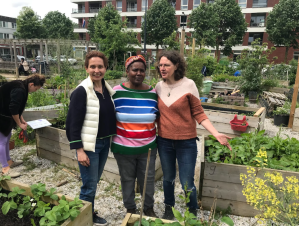
A distinctive aspect of the Social Peas project was its integration of Social Permaculture principles. Social Permaculture applies the ethics and design principles of permaculture to social systems, aiming to create sustainable and resilient communities. Through this approach, the project established therapeutic gardens where participants could engage in gardening and social activities. These gardens provided a serene and nurturing environment, promoting mental well-being through interaction with nature.
As an unplanned and extra result, HCAF managed to set up the so called Hekate Garden, in cooperation with a local Municipality in a rural and disadvantaged region in Hungary. It is called Hekate Garden and it will serve as an educational site after the project as well. (www.hekate.garden)
 Promoting Self-Sufficiency and Collaboration
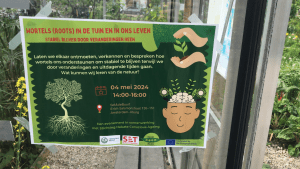
Social Peas empowered vulnerable adults and their supporters by teaching them how to grow their own food and manage small-scale sustainable practices. This emphasis on self-sufficiency fostered a sense of purpose and achievement. Furthermore, the project facilitated collaborative efforts where participants worked together on permaculture projects. This collaboration strengthened social bonds and reduced feelings of isolation, embodying the community-centric ethos of Social Permaculture. Garden-based activities were carried out in Malta, Italy, Cyprus, Spain by our project partners Friends of the Earth Malta, Promimpresa, Friends of the Earth Cyprus, and Intras.
 Holistic Health and Support Networks
The foundation’s holistic approach to health considered physical, emotional, and social aspects. Activities were designed to be inclusive and supportive of various needs, promoting overall well-being. Educational workshops on sustainable practices, such as composting, water conservation, and natural building techniques, provided mental stimulation and encouraged a proactive approach to environmental stewardship.
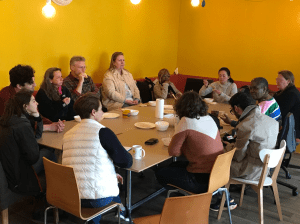
In addition, the project created networks of support where ageing individuals could share experiences, offer mutual support, and collaborate on permaculture projects. These networks not only provided emotional support but also fostered a shared sense of purpose and community as one kind of response to the multiple crises we are facing today (eg. mental health, care, climate, housing). Our approach was and is that Social Permaculture Design is an effective and pragmatic way to foster forward-looking local responses to these crises, which also support health and mental health.
Specialized Training with and for Therapists
In collaboration with therapists, the HCAF developed specialized training programs based on Social Permaculture principles. These training sessions aimed to equip volunteers, caregivers, and community members with the skills to support the mental health of vulnerable adults effectively.
The training included:
- Understanding Social Permaculture: An introduction to the principles and ethics of Social Permaculture and how they can be applied to social systems to foster resilience and community well-being.
- Therapeutic Techniques: Practical guidance on using nature-based and also non-garden related activities as therapeutic tools to promote mental health and emotional well-being.
- Communication Skills: Training on effective communication techniques to better connect with and support vulnerable individuals, particularly those experiencing isolation or mental health challenges.
- Holistic Health Approach: Strategies for incorporating holistic health practices into daily interactions, emphasizing the importance of considering physical, emotional, and social needs.
By integrating insights from therapists, the training ensured that participants were well-equipped to create supportive, nurturing environments for vulnerable adults, enhancing their overall quality of life.
 Advocacy and Volunteerism
Beyond its direct impact on participants, the HCAF actively raised awareness about how Social Permaculture can be used in non-garden setups to support communities and individuals. The foundation advocated for policies and programs to address these issues, highlighting the importance of social connectivity and mental health in ageing populations.
The project also leveraged the power of volunteerism. By recruiting and training volunteers to participate in Social Permaculture related activities Social Peas extended its reach and impact.
Conclusion
The Social Peas project of HCAF exemplifies a comprehensive and compassionate approach to supporting communities, vulnerable adults and their helpers. By merging the principles of Social Permaculture with targeted activities to foster social connections, and by developing specialized training programs with therapists, the project established the foundation of long-term development programs which can support individuals and communities to improve their health, mental health, and resiliens. Through community building, empowerment, holistic health approaches, and advocacy, Social Peas continues to contribute to the sustainability and regeneration of vulnerable communites. Our aim is to contiue using Social Permaculture to support mental health of individuals and communities as well
More info about the project:
https://hekate.foundation/socialpeasproject/
***************************************************************


 Hekate