

In a world where demographic change is reshaping societies at an unprecedented pace, initiatives that respond with care, creativity, and long-term vision are more important than ever. The work of the Hekate Conscious Ageing Foundation stands as one such initiative. One that has steadily evolved and, most recently, taken a meaningful new step forward.www.consciousageing.hu OriginallyContinue reading “A growing movement from the Netherlands to Hungary: the expanding vision of Conscious Ageing”
Category Archives: Permaculture
Roots in the Garden and in Our Lives
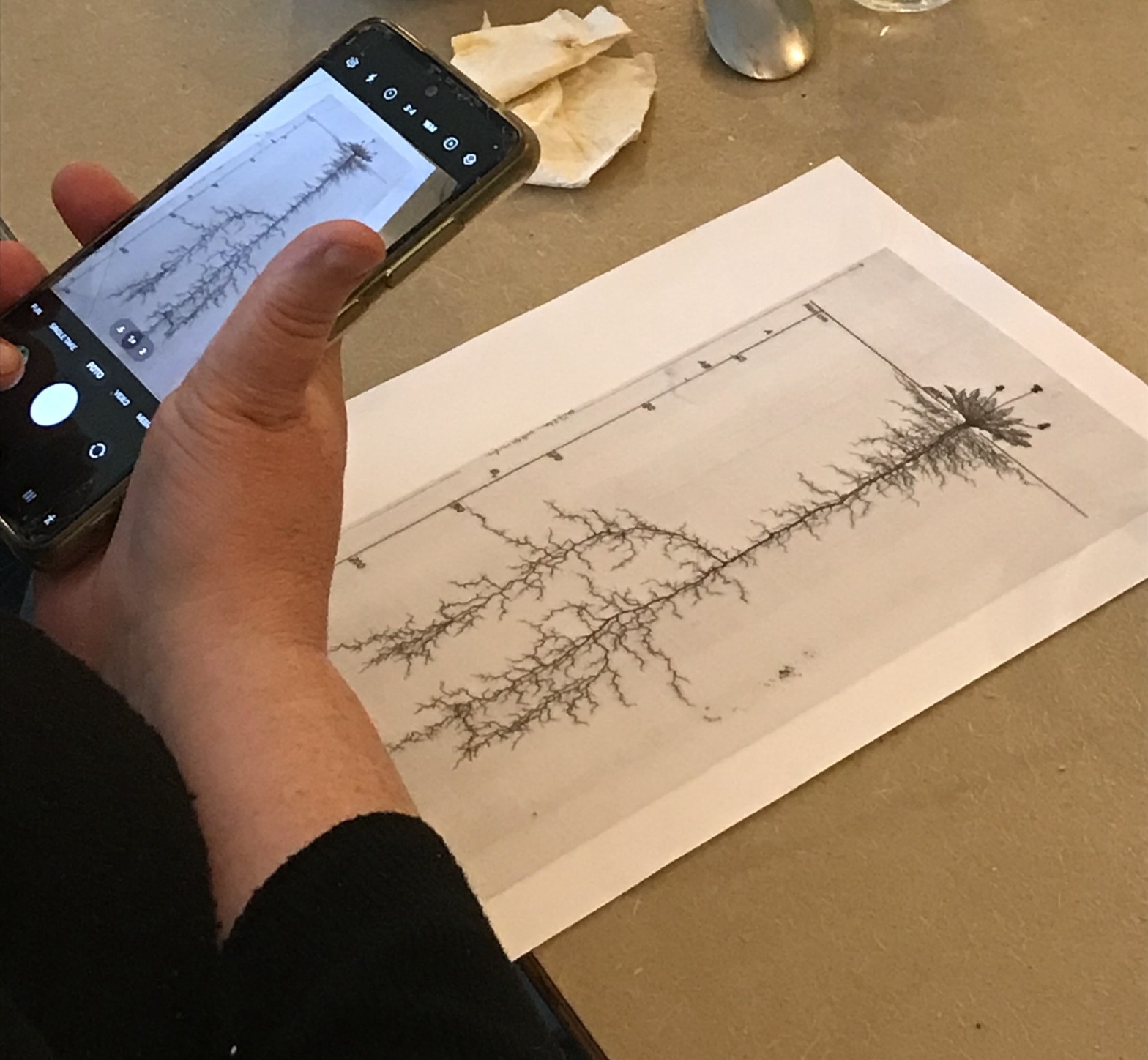
We are often captivated by nature’s visible beauty, whether it’s a blossoming flower or the grand canopy of a noble oak. When asked to visualize a tree, most of us picture its trunk and canopy, but rarely do we consider its hidden, underground root system. Yet it’s the roots that anchor the tree, absorb waterContinue reading “Roots in the Garden and in Our Lives”
How to support mental health with (social) permaculture (online event)

We are currently facing turbulent times marked by numerous crises, including those related to care, climate, housing, ecology, and mental health.
Hekate Garden in Janoshida, Hungary
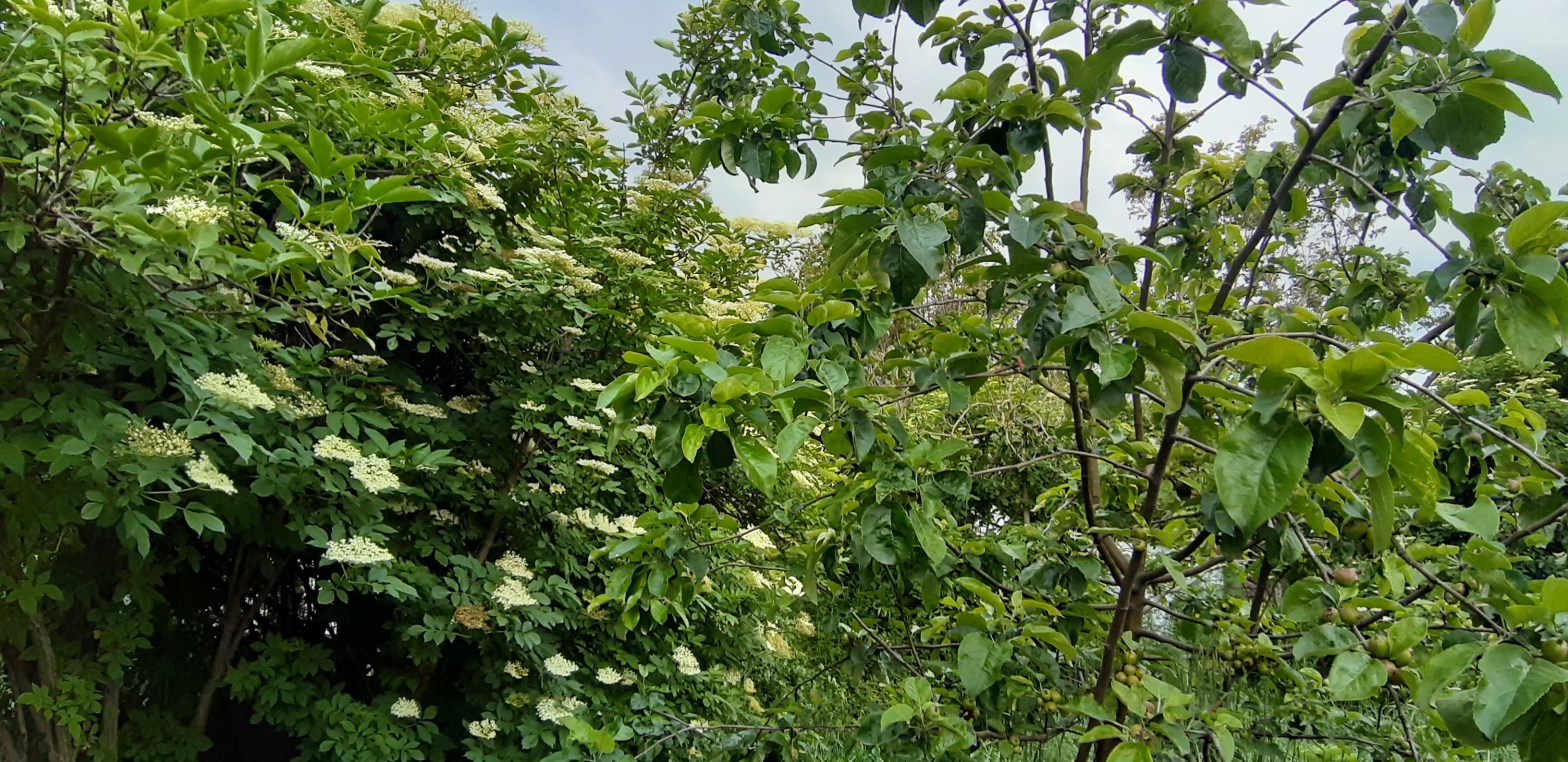
Our foundation and the Municipality of Janoshida (in Hungary) started a strategic cooperation in 2020. It is a complex, care and permaculture-based village development process. The title of the cooperation is JANOSHIDA2030 (see link for more info). Part of this cooperation is the development of an educational and community space for promoting (social) permaculture asContinue reading “Hekate Garden in Janoshida, Hungary”
Learning about permaculture, health and conscious ageing
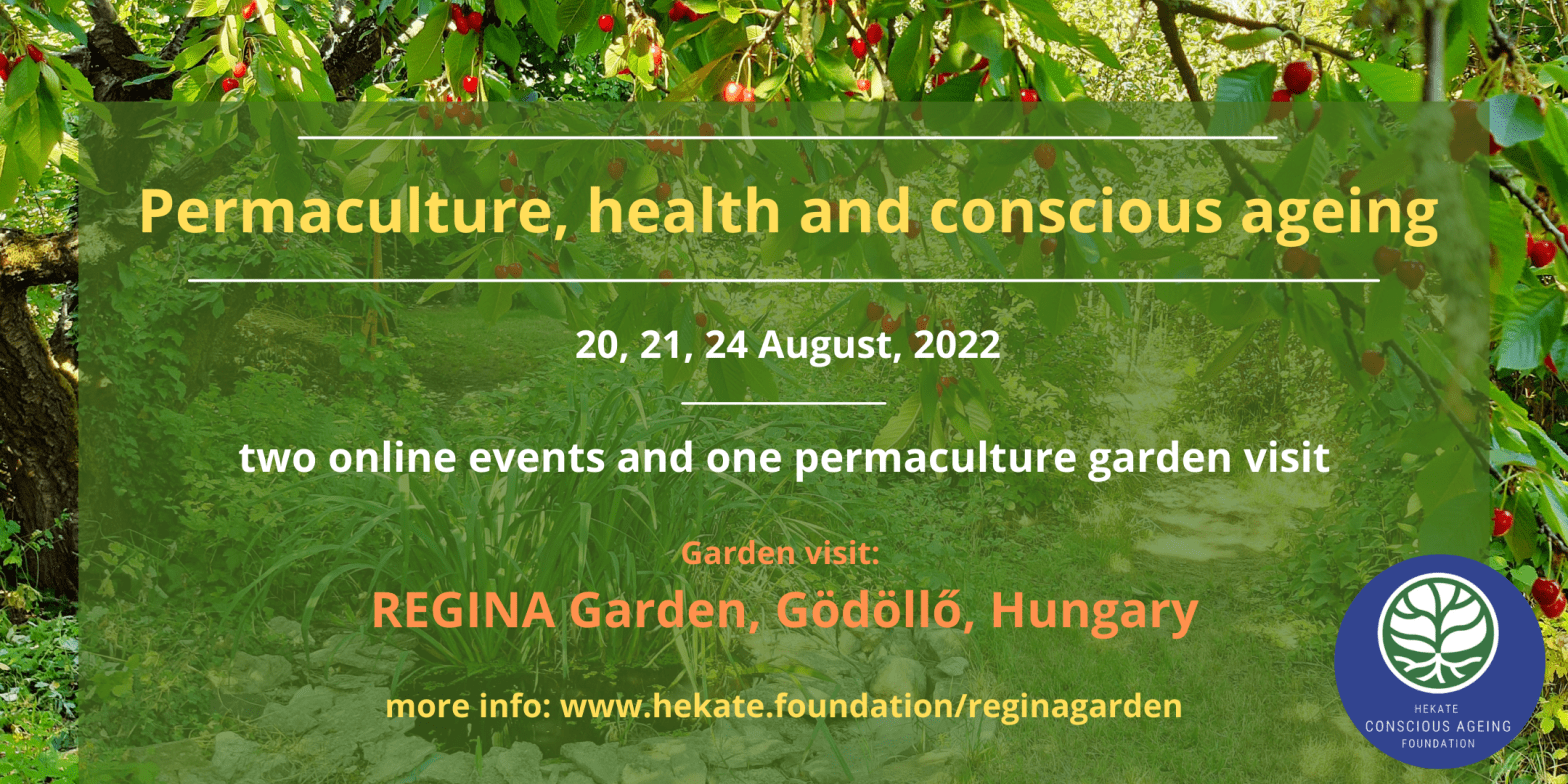
This new programme is recommended to individuals, who are interested in permaculture and its potential in relation to physical and mental health, conscious ageing and general wellness. Also for those who would like to spend a hot Summer day in a cool, mature, forest garden in Gödöllő, Hungary. The course is designed for people whoContinue reading “Learning about permaculture, health and conscious ageing”
Social Permaculture: Empowering an Active Society (Social PEAS)

The Social PEAS project is focused on developing a special permaculture training for vulnerable adults as well as professionals working with vulnerable adults. The target groups of the project are: vulnerable adults, people who suffer from mental health issues, elderly people, homeless people and people with housing deprivations, former drug or alcohol users, people withContinue reading “Social Permaculture: Empowering an Active Society (Social PEAS)”
 Hekate