
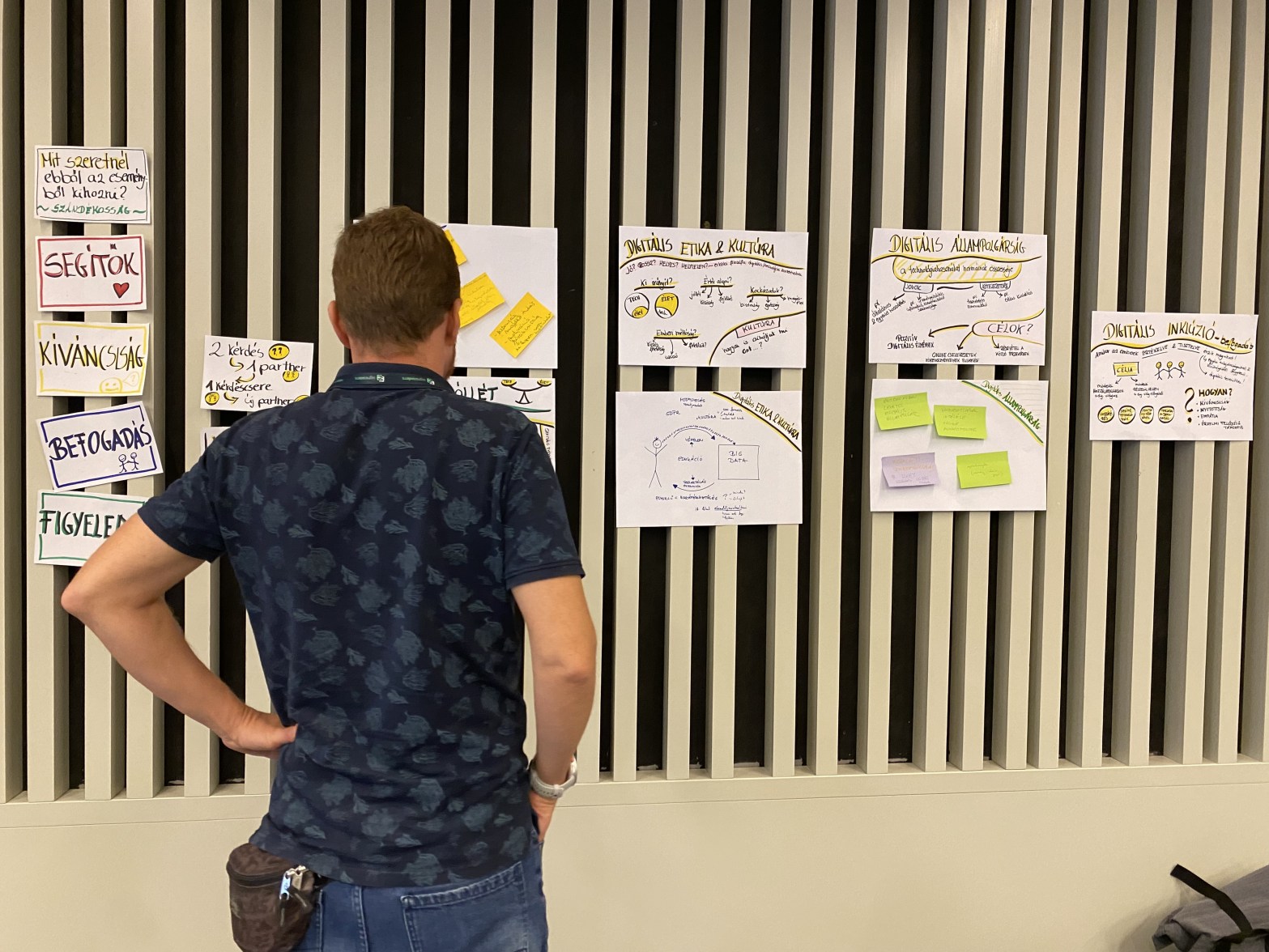
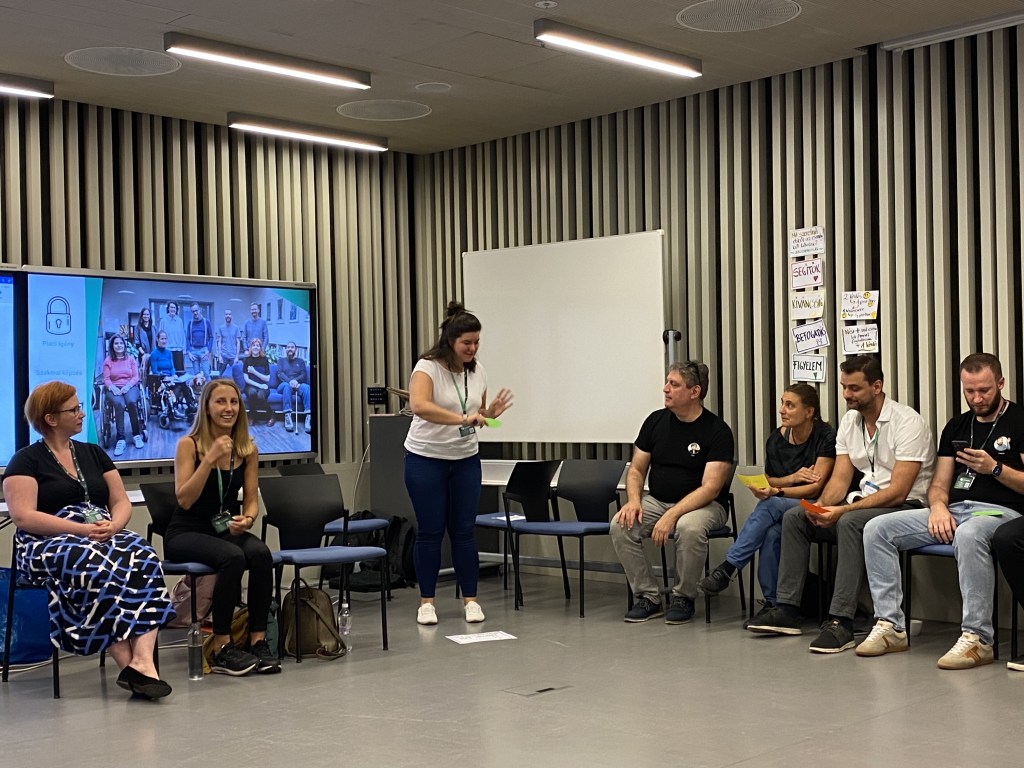
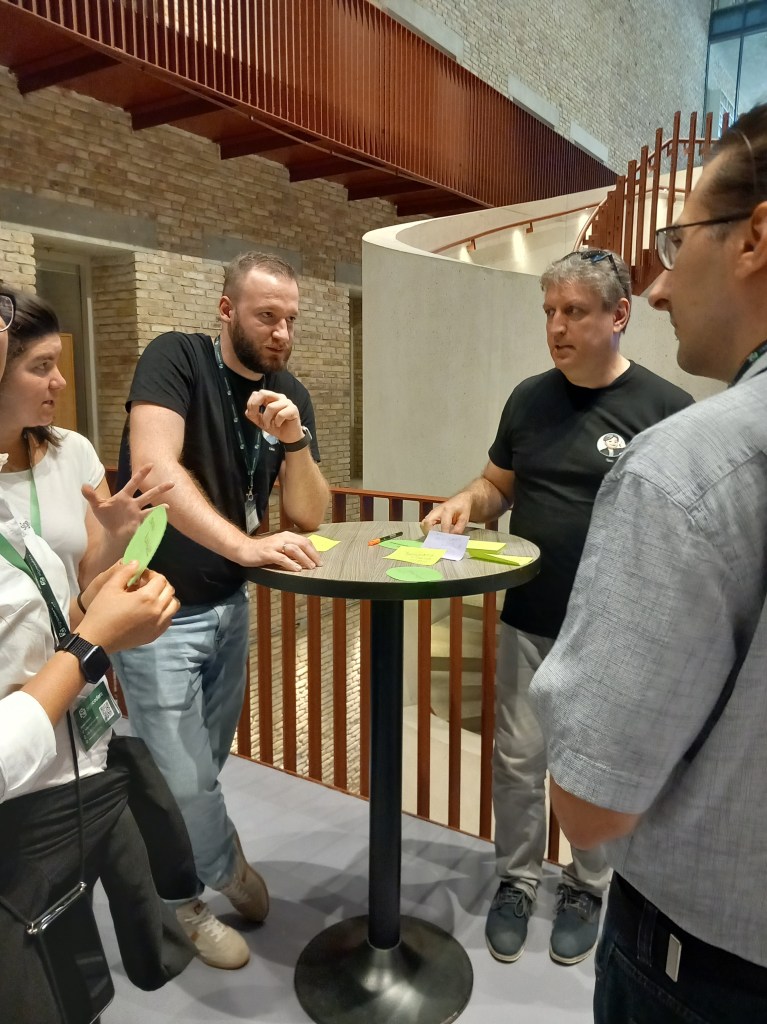
Two weeks ago we led a professional forum with two workshops in Budapest, Hungary. This was for the lovely community of one of our strategic partners, SignCoders, who we are coordinating a 2 years long Erasmus+ project, “DigInclude – Developing Digital Skills in Disadvantaged Groups” with. The topic therefore was given: Digital Inclusion. From the process of designing and implementing this event, we’ve learned a lot. Let us share with you some of these thoughts, takeaways, hints & tips.
Design is key
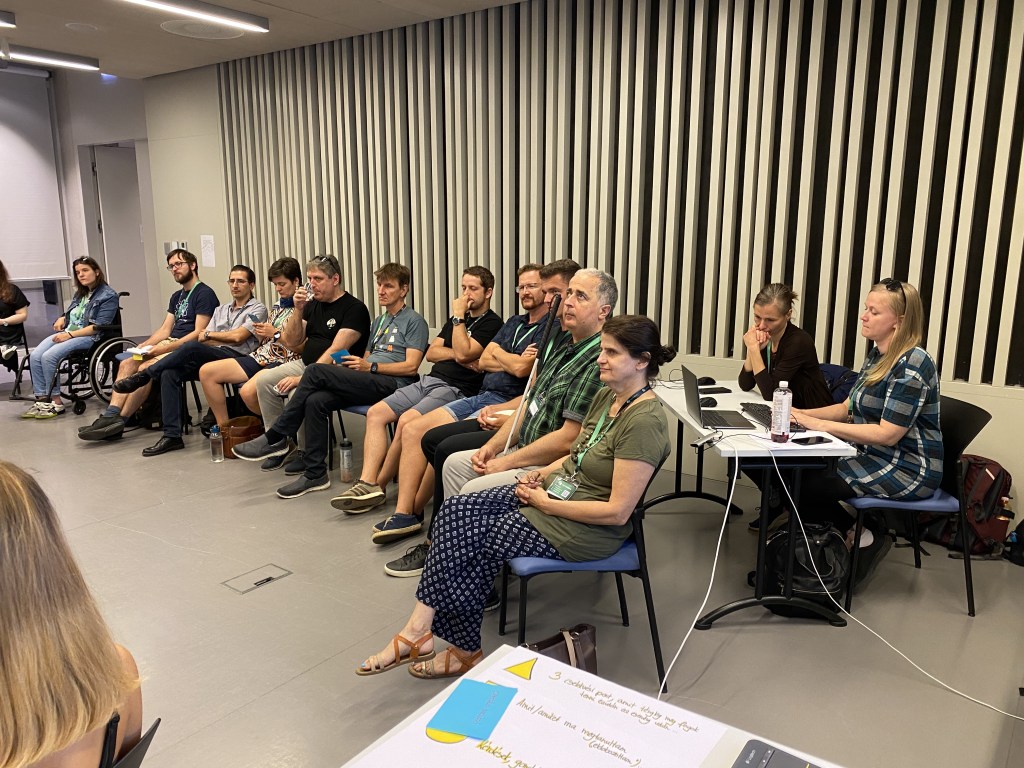
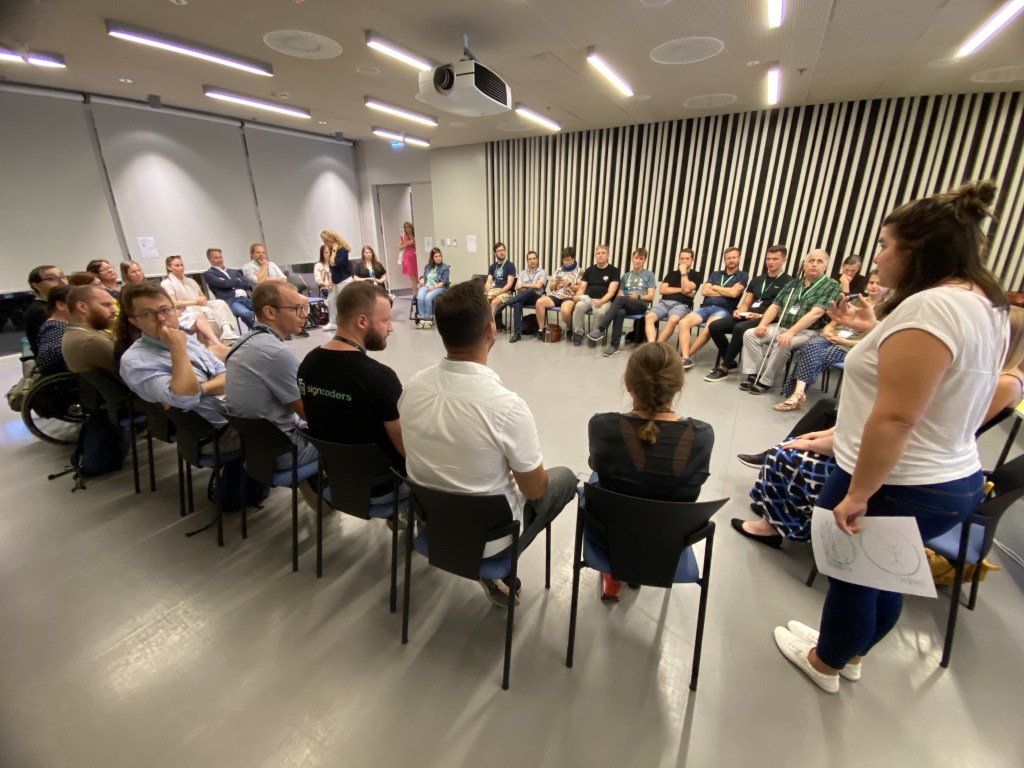
We knew we were going to have a very diverse group of people. From an event management and facilitation point of view this can be challenging and we could indeed feel these challenges at many steps on this journey. When we say it’s a diverse group of people, we mean differences in physical capabilities and limitations (we had deaf and hearing impaired, blind and disabled participants), differences in profile (we had CEOs, software-developers, a lawyer, a journalist, a photographer etc) and differences in interest & motivation (some people arrived out of their own personal interest, some wanted to gather tools to better lead their communities). It was crucial to understand long before the event who we are expecting to see, why they’d like to join, what their support needs are etc. Of course, a good old registration form is very helpful, however one needs to be very careful here. For us, as organizers and designers of the event, the more information we get the better are the chances to turn the event into something really valuable. At the same time, the more we ask in a registration form, the less likely people will actually complete the registration! Luckily, already our organizational team is a diverse group of people, therefore through lengthy discussions, careful listening and understanding, we could find a middle ground. In this process, careful listening to each others’ needs was really very important.
Preparation is another key
Once we knew our participants’ needs, motivation and expectation, we could start the design work. As it was indeed very diverse, there was a great risk of failing to actually take through a fully inclusive, satisfying-for-all event. What helped us through the preparation?
- Our area of expertise in the field of training & education, years of experience with people of different emotional and mental needs, loads of non-formal education methods. Luckily we had that on hand.
- Talking to colleagues in the same field, sharing concerns with peers and trainers working on Inclusivity. Gathering best practices.
- Empathizing deeply with each participant and visualizing the event’s steps and processes through those lenses.
- Researching. This Playbook for Universal Design gave us further inspiration to bring in inclusive tools.
- Reminding ourselves: as long as we do all we can to be open and curious to listen, to empathize, to ask to clarify instead of making assumptions, and to act accordingly to our best, the event will be the most inclusive possible, even if it means not 100% inclusive. This was a very important bit to understand, as we want to make our events 120% inclusive of course! But think about it: physical limitations, profile, interest, motivation can be something to understand in advance, but we are all human and our daily physical, emotional, mental needs keep changing! We, facilitators, are also human, so we really can do only our best – which we will always do! 🙂


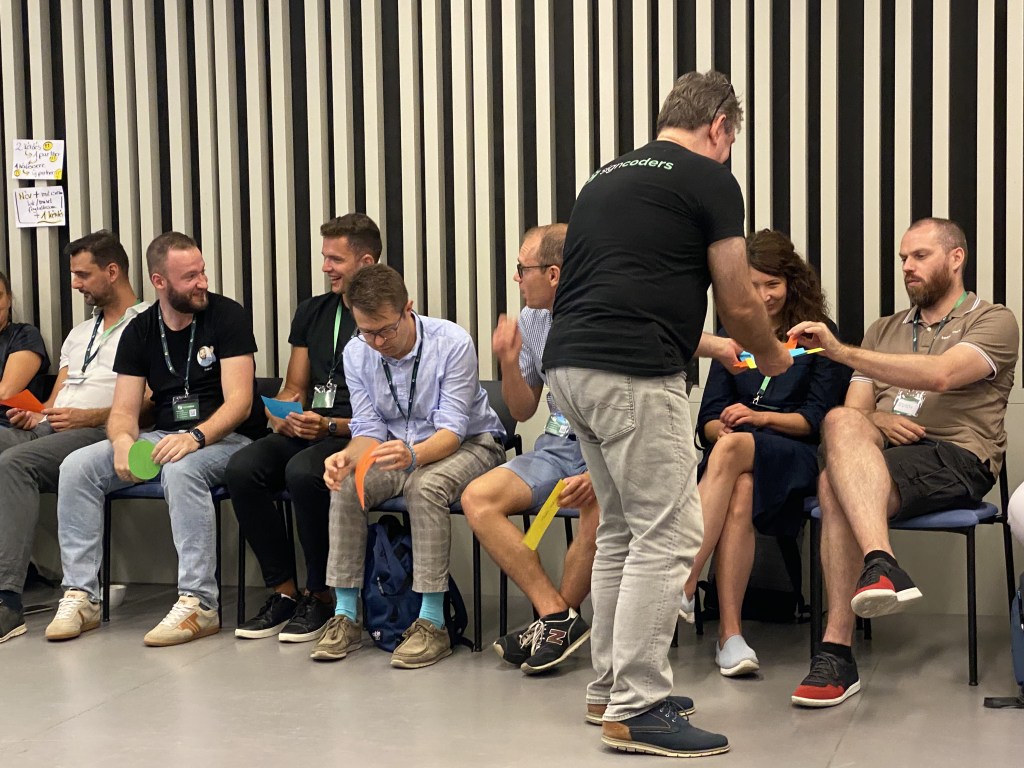
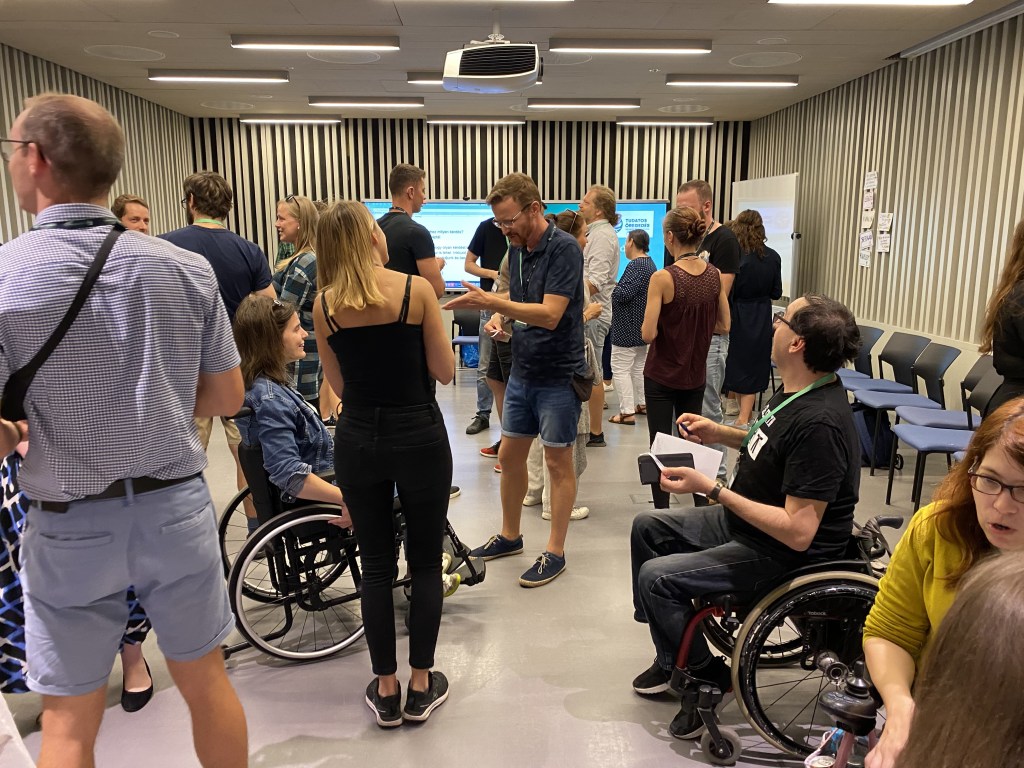
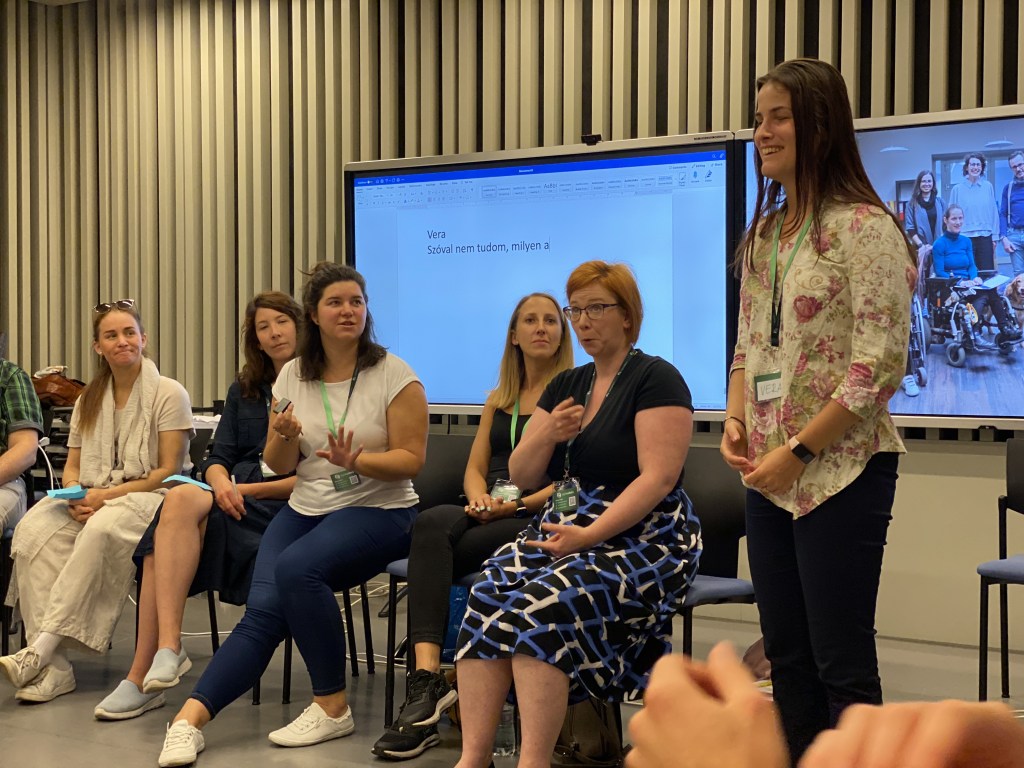

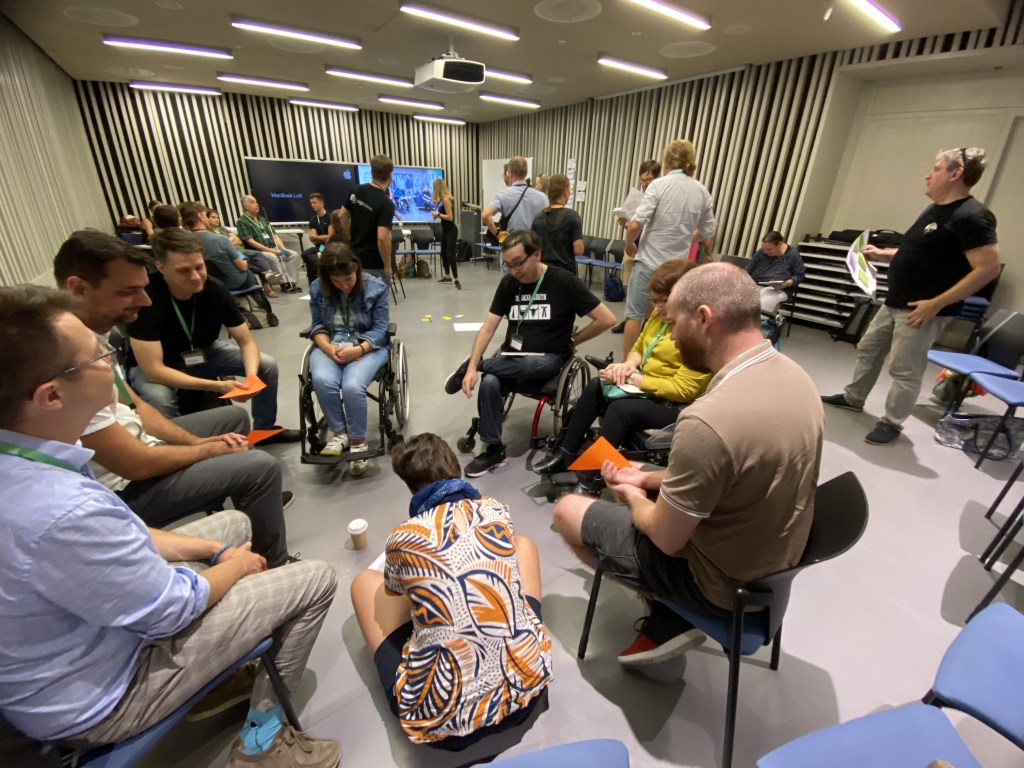
Make yourself at home and trust the process!
- Safety and trust. Once at the event, the result and careful design and preparation will show. To build psychological safety and trust, it’s important in every setup, but especially with such a diverse group of people – especially at an event about Inclusion, to help the participants and supporting staff feel comfortable! As trainers, we have a responsibility in shaping the space on many levels. What can we do to make people feel welcome, seen/heard, included and important?
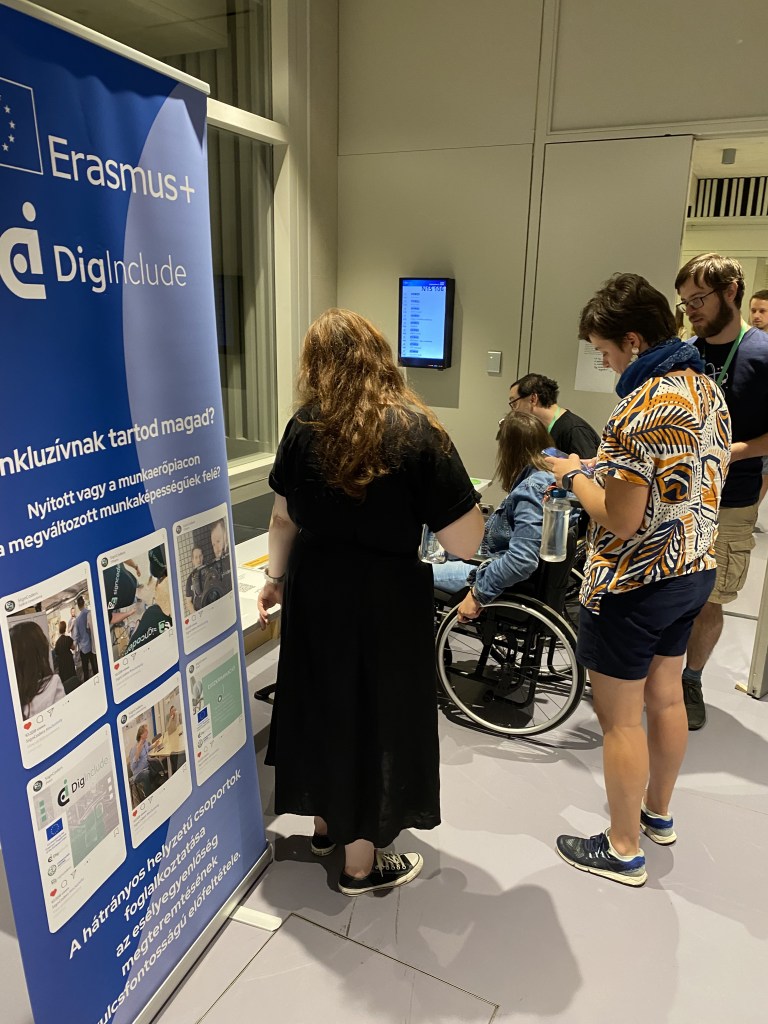
- Welcome station. Let’s not go with a simple, dry registration, let’s bring in some colours and care. A small map, some reminders, a secret task can already help melting the ice and just cultivate the soil for us for trust.
- Welcome act. As a leader or facilitator at the event, greeting people one by one might seem a long and time-consuming process – but it’s not just a pleasant but smart investment to make! A handshake, and eye-contact, some quick words could make our participants immediately feel welcome in the space!
- Ask instead of making assumptions – and encourage participants to do the same. No matter how deeply I am able to empathize with someone, if I have not been in the same scenario, I’ll never TRULY understand what that is like – I can only imagine it. This imagination is very helpful, at the same time it’s a great soil for false assumptions, too! So careful! It’s okay to ask how we can support someone if we’re not entirely sure. It’s the same the other way around – just on the note of we’re all fallible humans – , we can help someone who’s really trying understand our needs by simply telling them what we need (instead of assuming they know).
- Clear communication. Not always easy, since the verbal level is just one thing. But when people cannot hear you or see you, that needs adjusting. What can help? Visualizing content or writing and printing the questions in advance to help the hearing-impaired participants; arranging professional support such as sign-language interpreters; sending the event’s materials, tasks etc to the people who’ll support participants; use a special microphone for hearing-impaired.
- Supporting staff is an incredible part of the team-work. It’s important to give them the same attention, and understand what THEY need so that they can support the event at their best. We had two brilliant sign-language interpreters and two translators with a huge challenge: mediating for long hours, with a smile on, between the trainer and the participants. Quick arrangements before the event, some clarifications on the spot, kindness and open communication helped all parties to enjoy their time and get the best out of the event.
- Emotions are contagious. Smile, enjoy the presence, stay kind and positive – this will help others indeed to feel the same!
We also learned that with all the challenges it means to cooperate with such a diverse group of people, it’s a truly wonderful, uplifting and inspiring journey that it’s an honor to be part of!
The professional forum with workshops inspiring this article are co-funded by the European Union in the framework of our Erasmus+ project, “DigInclude – Developing Digital Skills in Disadvantaged Groups”.


 Hekate