Featured

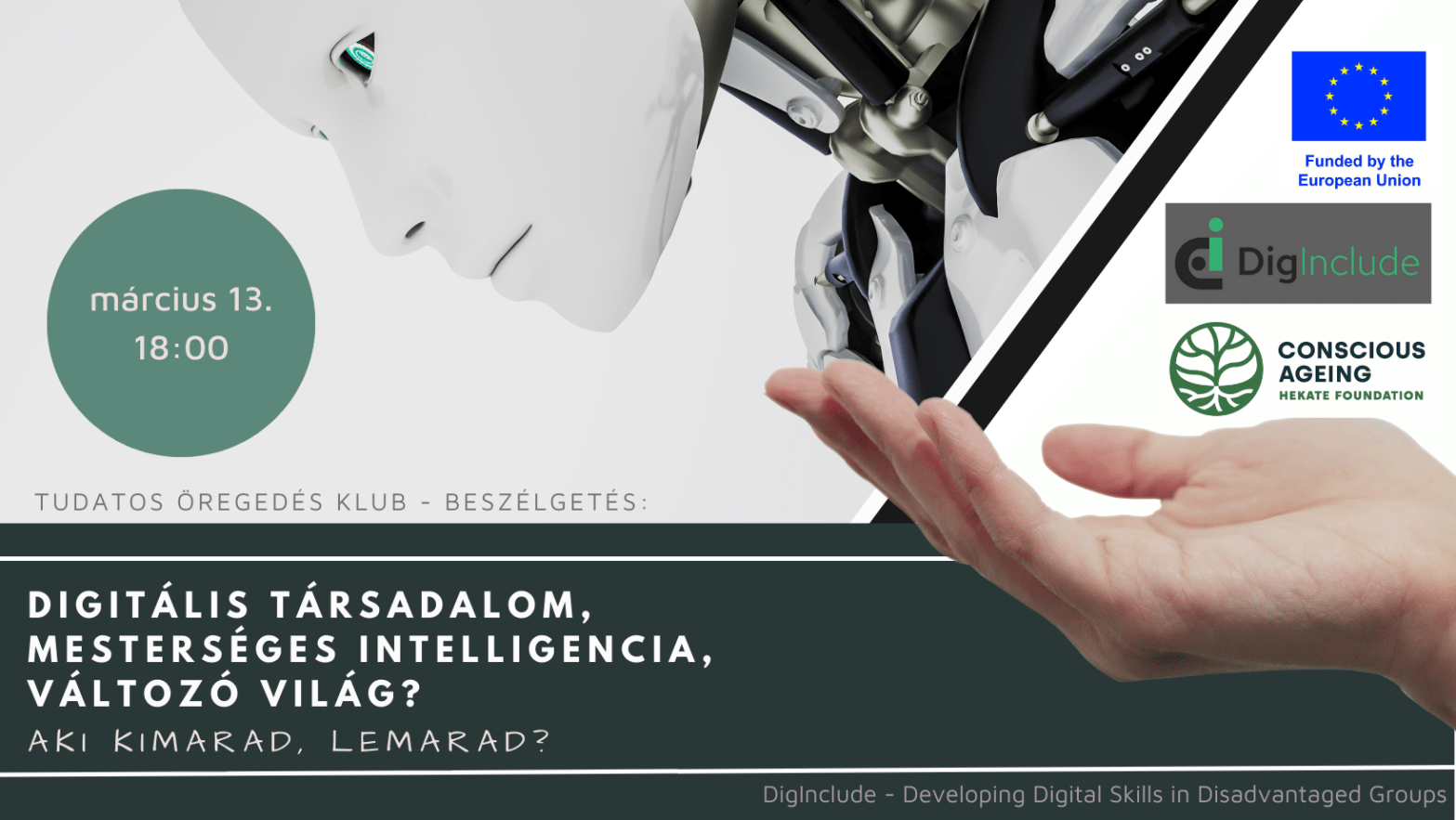
Digitális társadalom, mesterséges intelligencia, változó világ? Aki kimarad, lemarad?

Digitális társadalom, mesterséges intelligencia, változó világ? Aki kimarad, lemarad?

*Áldás vagy átok a technológia?
*Mit hoz az öregedő generációk számára?
*Mire érdemes figyelni?
*Mire érdemes felkészülni?
*Mit érdemes elkerülni?
*Hogyan készüljünk arra a világra, amit pár éven belül hoz el a mesterséges intelligencia elterjedése?

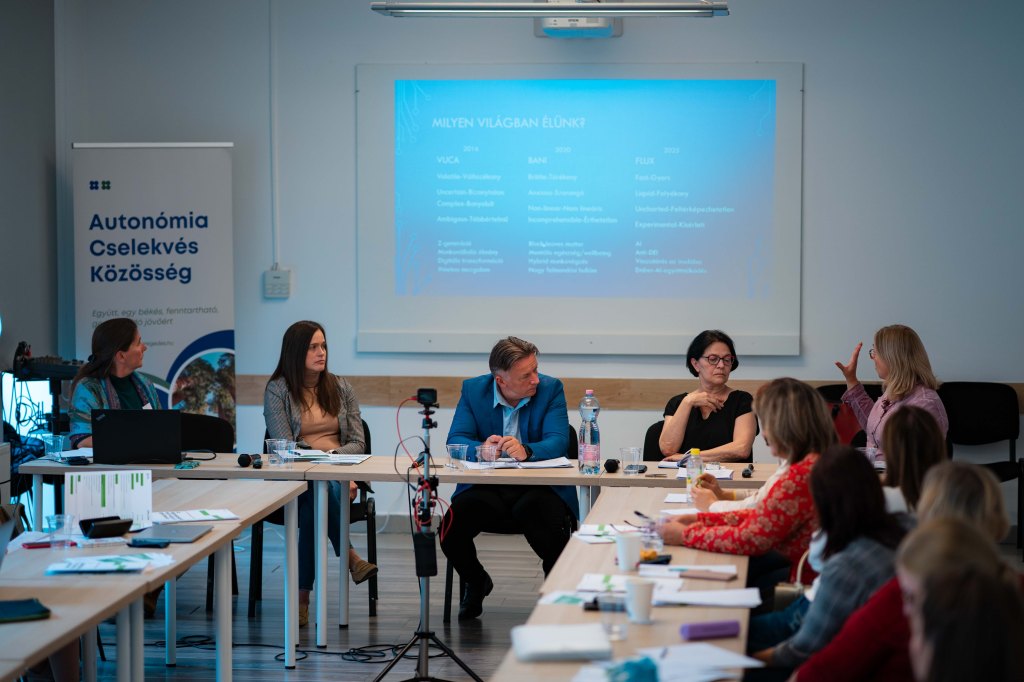
Ilyen és hasonló kérdésekről beszélgetünk a Tudatos Öregedés Klubban.

Beszégető társak:
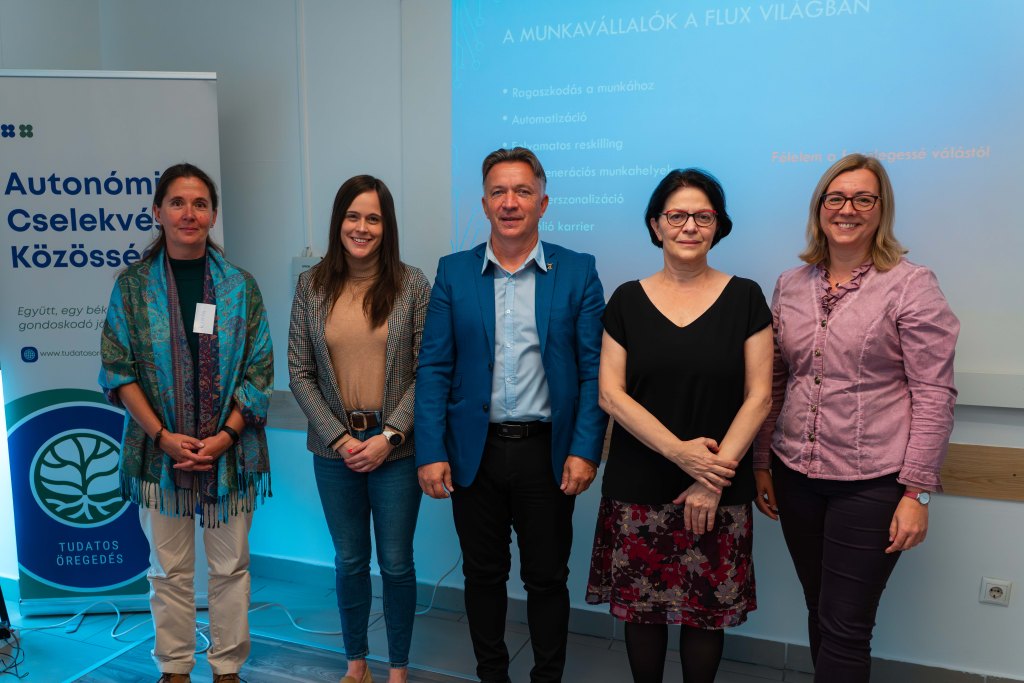
– Taliga Nóra, digitális wellbeing oktató/szakértő
– Pátrovics Levente, informatikus, cloud solution architect
– Károlyi Antal, társadalmi vállalkozó, a SignCoders alapítója
– Milánkovics Miléna, Tudatos Öregedés társalapító (moderátor)
– Milánkovics Kinga, Tudatos Öregedés társalapító

Beszélgetés helyszíne: Online
Időpont március 13. hétfő, 18-19.30

A részvétel ingyenes, és regisztrációhoz kötött. Regisztráció itt: https://www.tudatosoregedes.hu/regisztracio

Az esemény célja, hogy informatikában, digitális egészségben, közösségek szervezésében, tudatos öregedésben jártas szakemberekkel együtt beszélgessünk a jelen és a jövő tendenciáiról, lehetőségekről, veszélyekről, érdekességekről.

Az eseményen való részvételhez nem szükséges semmilyen előzetes tudás. Kifejezetten ajánljuk azoknak, akik szeretnek előre is tekinteni, és autonóm módon alakítani az életüket, a változó világunkban. Illetve azoknak, akik szeretnek érdekes emberekkel érdekes témákról beszélgetni, együtt gondolkozni.

The event is part of the Erasmus+ project “DigInclude – Developing Digital Skills in Disadvantaged Groups” and co-funded by the EU.

Featured

Conscious You(th) News

For Counscious You(th) news click here.

Hekate Conscious You(th) is a proud community of Hekate Conscious Ageing. Ageing might sound scary and difficult to digest, especially when you’re only in your 20’s and are still very young, we know. You don’t even need to think about getting old one day, yet, although researches show massive benefit of consciously visualising ourselves in a more progressed age. 

Promoting self-care and combating ageism: Hekate and Haleon join forces for a healthier, more active ageing Europe

At the Hekate Conscious Ageing Foundation, we believe that healthy ageing begins with empowering individuals to care for themselves, their health, and their communities — regardless of age. This vision is shared by Haleon, a global leader in everyday health. Over the past year, our organisations have come together in a meaningful partnership to promote self-care and tackle ageism in Hungary.

Together, we conducted a nationwide representative study exploring how older adults in Hungary perceive and practise self-care, and how age-related biases impact their daily lives. The results were eye-opening and reinforced our commitment to act. These findings are now available in a comprehensive White Paper, published in English, which can be downloaded from here.

Our joint work continues in 2025 and beyond, as we strengthen our efforts to raise awareness, share knowledge, and advocate for systemic changes that support active, conscious ageing. This collaboration is part of a broader movement to build a society where older adults are not only supported but valued for their wisdom, contribution, and resilience.

To mark International Self-Care Day on July 24, 2025, we issued a joint press release in Hungarian, reaffirming our shared mission to promote lifelong self-care as a fundamental pillar of public health and dignity. You can read the full statement here: https://tudatosoregedes.org/2025/07/24/ongondoskodas-vilagnapja/

We are proud of the momentum we have built with Haleon and inspired by the many individuals, communities, and organisations that are joining this important conversation. Conscious ageing is not only possible — it is essential for a caring, inclusive future where every stage of life is celebrated and supported.

Caring Europe, Caring Communities; Partners connecting…

Hekate Conscious Ageing Foundation Participates in the “Caring Communities” Interreg Project

The Hekate Conscious Ageing Foundation (HCAF) is proud to be part of the international collaboration in the “Caring Communities” Interreg project, with the Hungarian National Association of Local Authorities (TÖOSZ) as a key partner. This initiative focuses on creating sustainable, supportive environments for older adults, fostering connected communities across Europe.

As part of this project, HCAF is contributing to the development of the European Conscious Ageing Network, an exciting venture that aims to reshape the landscape of ageing in Europe through shared knowledge, practices, and support. HCAF’s commitment to conscious ageing aligns with the values of the “Caring Communities” project, promoting an inclusive and age-friendly society.

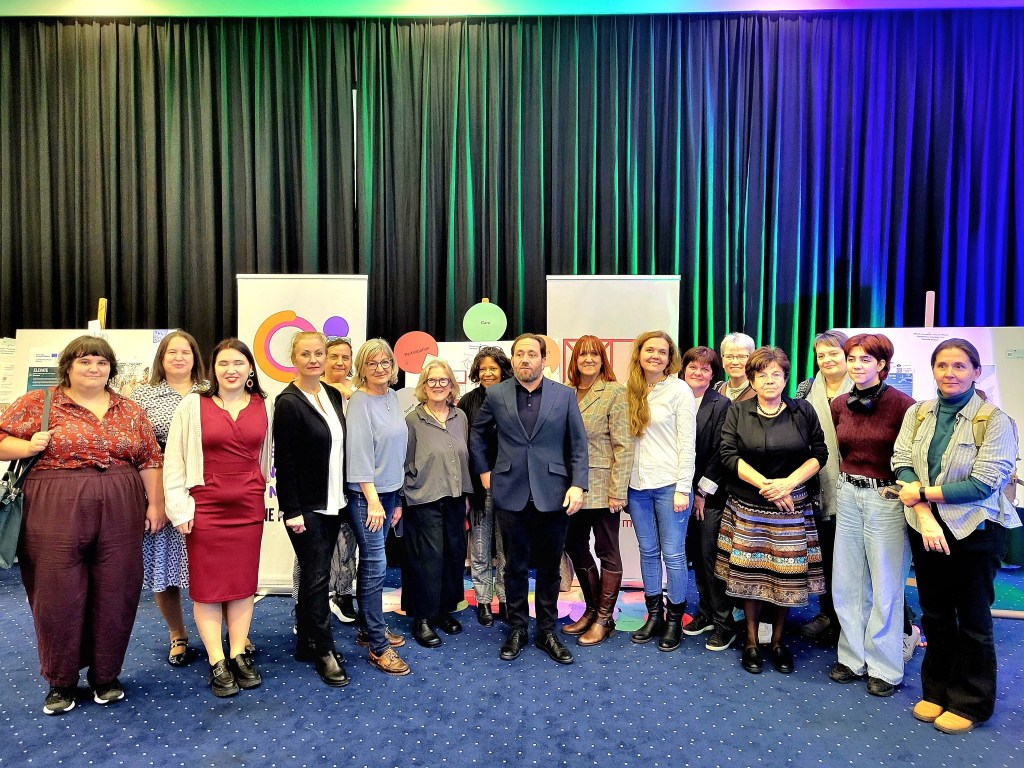
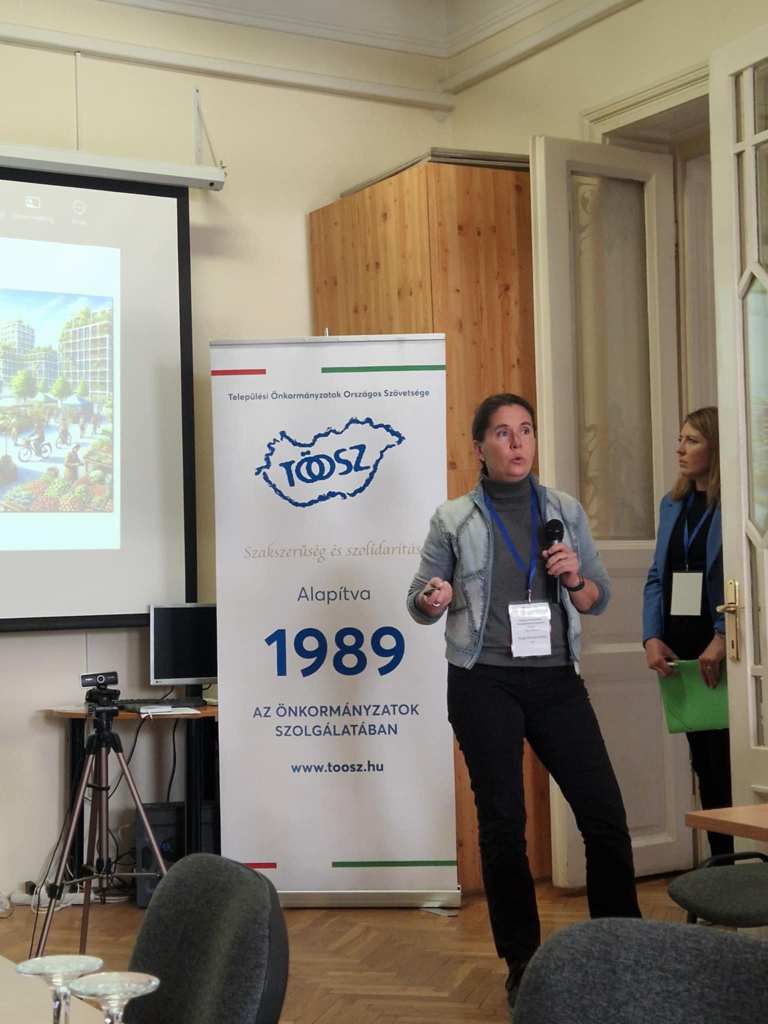
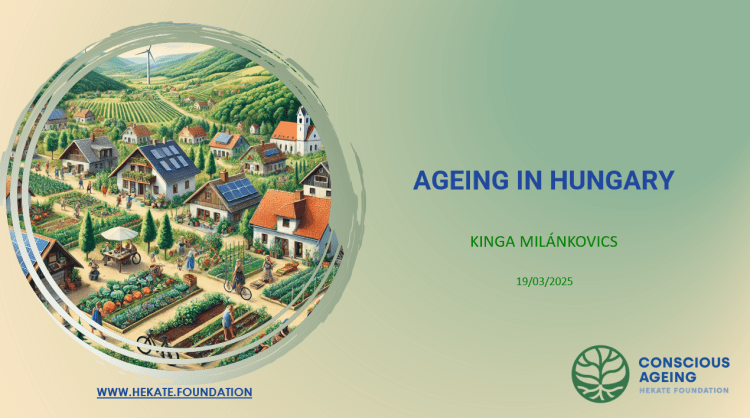
In March 2025, Kinga Milankovics, co-founder of HCAF, had the privilege of presenting at the TIP (Transnational Interreg Partnership) meeting held in Budapest. Her presentation, titled “Ageing in Hungary,” highlighted the unique challenges and opportunities related to ageing in Hungary, while also showcasing the collective efforts and success stories within the country.

HCAF, in partnership with TÖOSZ and other stakeholders, is looking forward to continued collaboration in the “Caring Communities” project. Together, they aim to build a more compassionate and sustainable framework for ageing populations across Europe.

Stay tuned for more updates on this exciting partnership and our work within the European Conscious Ageing Network.

Kinga’s presentation:

Ageing_in_Hungary_HCAF_Presentation_TOOSZ event

How the European centrum and the peripheries can work together to tackle multiple crises

Elderly Care-Based, Silver Economy-Based, and Active Ageing -Based Regional Development in Poor Rural Areas in the Central European Region

Written by Kinga Milankovics and ChatGPT together

Contents:

Introduction

Demographic and Economic Context

Elderly Care as a Catalyst for Growth

The Silver Economy as a Driver

Active Ageing  and Community Engagement

Sustainable and Circular Practices

Opportunities for Local Youth

Regional and Societal Benefits

Policy Recommendations

Conclusion

Introduction

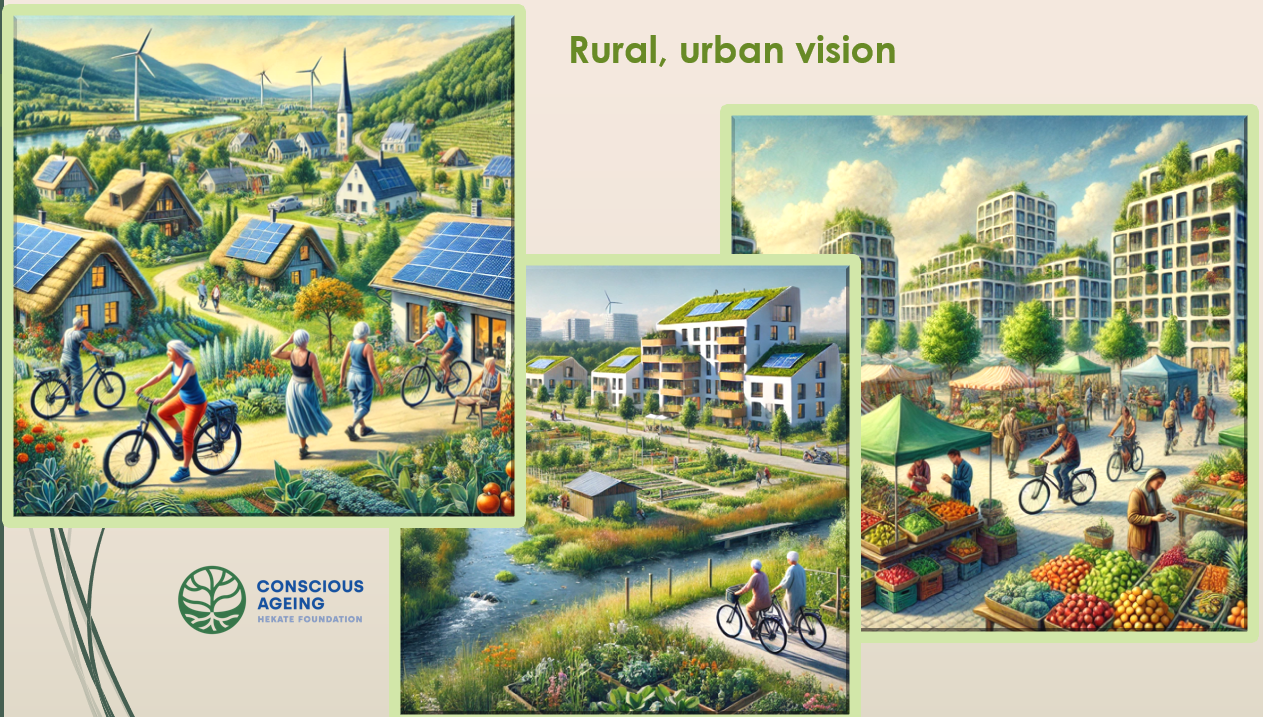
Rural areas in Central Europe face a combination of challenges, including demographic ageing , economic stagnation, and the migration of younger generations to urban centers. These trends have left many rural regions underpopulated, underdeveloped, and unable to sustain their economies. At the same time, Europe’s ageing  population presents a growing demand for elderly care, creating an opportunity to address these challenges with innovative regional development strategies.

This article explores how elderly care, coupled with the silver economy and active ageing  principles, can serve as a catalyst for revitalizing economically disadvantaged rural areas in countries such as Hungary, Croatia, Slovakia or Italy. By integrating these elements with sustainable practices and community engagement, rural regions can transform into thriving, intergenerational communities that meet the needs of retirees while fostering economic and social vitality.Continue reading “How the European centrum and the peripheries can work together to tackle multiple crises”

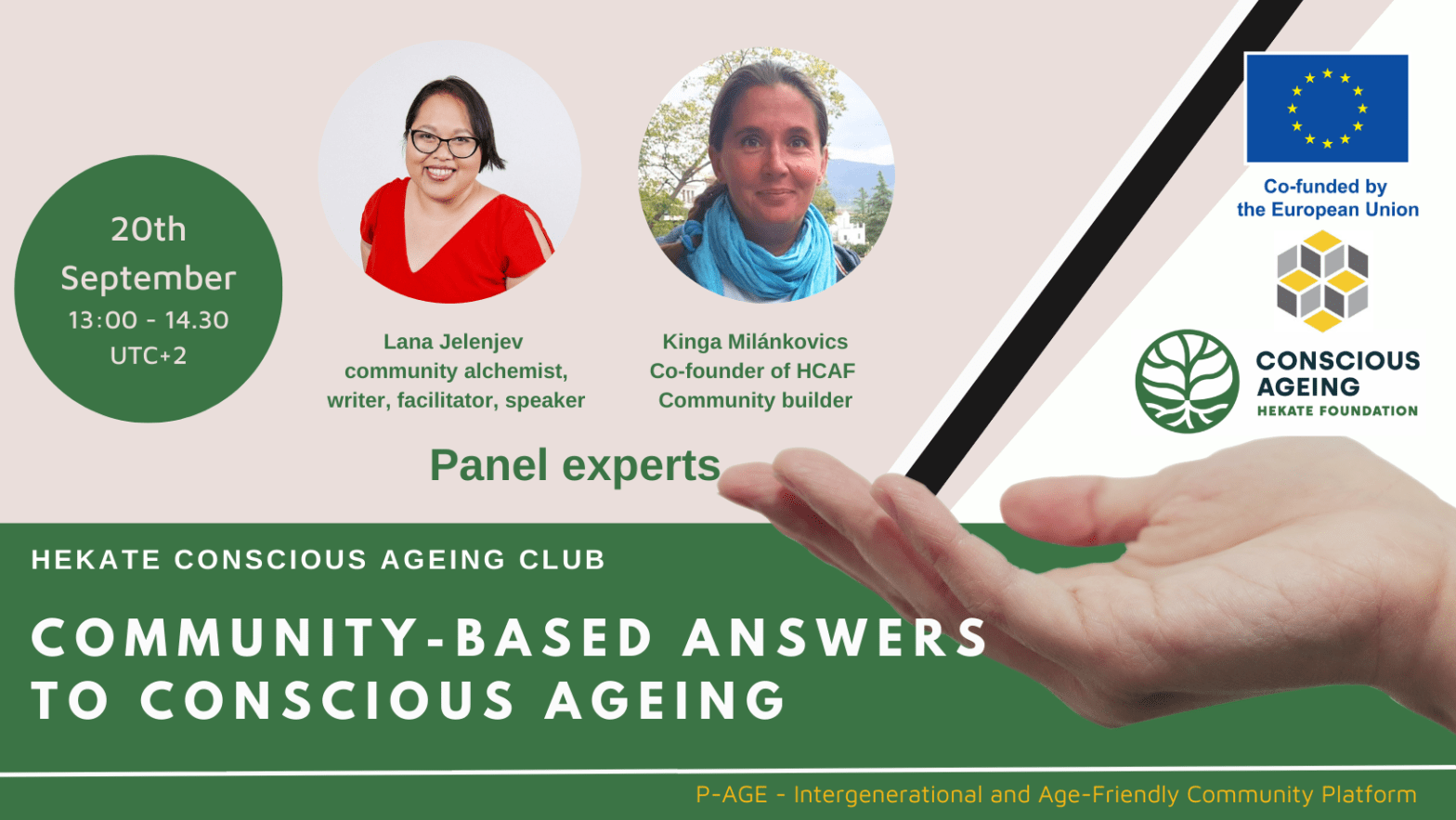
Community-Based Answers to Conscious Ageing

Join us for an informative discussion on the vital role communities play in supporting Conscious Ageing and re-enforcing intergenerational co-creation.
We’ll explore de challenges our communities are facing today and the opportunities that the demographic change brings us.

Key Topics:
– The benefits of community-driven approaches to ageing.
– Conscious Ageing as an engine to revitalise local communities
– Inspirational best practices

Panel Experts:
Lana Jelenjev:  Lana is a community alchemist, writer, facilitator, and speaker. She is a Filipina now living in the Netherlands who is on a constant journey of re-rooting, decolonizing, and healing. Her work revolves around promoting healing-centered ecosystems. She is a strong advocate for bridging the gaps for all neurotypical people to thrive through her work with Neurodiversity Foundation and Neurodiversity Education Academy.
You can read more about her work at lanajelenjev.com or read her writing at https://communityalchemist.substack.com/
Or check out resources in eurodiversityeducationacademy.org

Kinga Milánkovics: Kinga is the co-founder of the Hekate Conscious Ageing Foundation, community builder, trainer, researcher, and permaculture expert. With two decades of experience in gender-sensitive community and rural development, Kinga has also been involved in elderly care since 2015. She is engaged in care and care migration-related research and advocacy and coordinates the JANOSHIDA2030 European Conscious Ageing model project.
Learn more about Kinga: More about Kinga

Discussion facilitator:
Milena Milankovics
Learn more about Milena: here, and here

Who Should Attend:
– Community leaders
– Ageing individuals
– Caregivers and professionals in the field
– Anyone interested in improving ageing support structures in society

Details:
📅 Date: 20th of September
🕒 Time: 13h00-14:30 CET
📍 Location: Online
🌍 Language: English

The event is free but registration is needed. Register now: here

We invite you to explore community-driven approaches focusing on the potential of ageing and reinforcing intergenerational solutions.

———————————————————————————————————

The event is part of the Erasmus+ project “P-AGE – Intergenerational and Age-Friendly Community Platform” and co-funded by the European Commission.

Co-funded by the European Union. Views and opinions expressed are however those of the author(s) only and do not necessarily reflect those of the European Union or the European Education and Culture Executive Agency (EACEA). Neither the European Union nor EACEA can be held responsible for them.

Bridging Generations: Advancing Conscious Ageing in Communities

When we founded the Hekate Conscious Ageing Foundation, our primary mission was clear: to create positive social change. This mission has driven our ongoing efforts to explore and create opportunities related to conscious ageing and conscious living for individuals, organizations, and communities. We are committed to making a positive impact.

In recent years, we have had significant opportunities to translate this mission into concrete actions. Through the UnfOlding project, we developed a training program and established learning communities across Europe, focusing on the personal aspects of Conscious Ageing. Simultaneously, we explored and defined the critical connection between conscious ageing and digital inclusiveness as part of the DigInclude project.

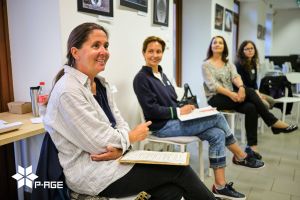
Working with communities and organizations is embedded in the DNA of the Hekate Conscious Ageing Foundation. This made us particularly excited to launch the P_AGE project two years ago. This project allowed us to further develop and expand the Conscious Ageing training program at a community level in collaboration with a diverse group of interdisciplinary experts, including professionals from civil, health, higher education, research, cultural, municipal, architectural, and equal opportunity fields.

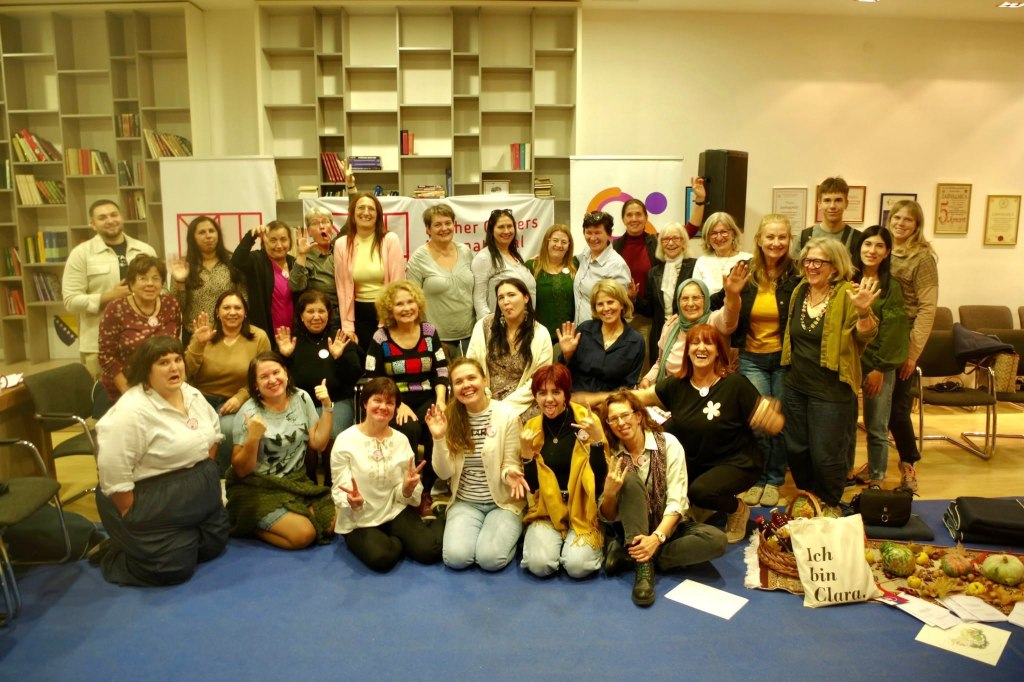
Combining personal, professional, and community aspects of Conscious Ageing, with a strong focus on its intergenerational dimensions, we conducted a 10-module training program from January 2023 to July 2024.

At the conclusion of this inspiring and fruitful co-creative training process, we observed several key outcomes:

  • A productive and inspiring exchange of intergenerational experiences and ideas took place, with participants ranging from 30 to 70 years old.
  • The project revitalized participants’ creativity and enthusiasm, often depleted by the monotony of daily life and local challenges, fostering a more attractive vision for the future.
  • Local and community-based solutions and experiences were identified and integrated into the Conscious Ageing eco-system.
  • Experts from various fields connected, forming networks and initiating specific collaborations and projects.
  • Inspirational inputs and European best practices introduced by the Hekate Conscious Ageing Foundation were adapted and incorporated into local strategies and cooperative efforts.
  • Alternatives were proposed for addressing elderly care challenges at the community level.
  • Concrete actions were taken to address housing challenges through intergenerational solutions.
  • Dementia prevention was re-examined from a new perspective, leading to innovative ideas for intergenerational collaboration.
  • Open discussions about end-of-life and death, both from personal and professional perspectives, were encouraged, with participants dedicated to de-stigmatizing these topics in their respective fields.

The Conscious Ageing training program, as part of the P_AGE project, concluded in July 2024. However, both participants and project partners saw it as a milestone—a catalyst for advancing the local Conscious Ageing eco-system and elevating cooperation between organizations to a higher level.

—————————————————————————

Co-funded by the European Union. Views and opinions expressed are however those of the author(s) only and do not necessarily reflect those of the European Union or the European Education and Culture Executive Agency (EACEA). Neither the European Union nor EACEA can be held responsible for them.

Fostering Mental Health and Well-being with Social Permaculture: The Social Peas Project of Hekate Conscious Ageing Foundation

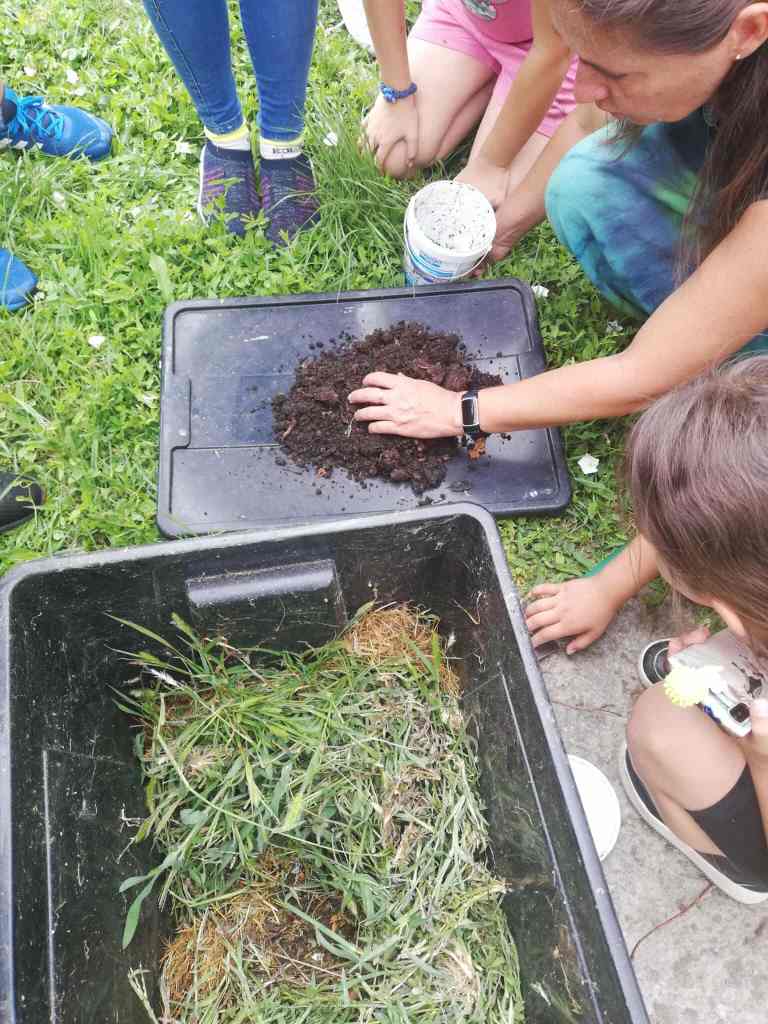
Between 2021 and 2024 the Hekate Conscious Ageing Foundation (HCAF) together with the Erasmus+ project partners has made significant strides in addressing social isolation and mental health among ageing and elderly individuals through its social permaculture project called Social Peas. By integrating principles of permaculture, the project has successfully created a multifaceted approach to enhancing the well-being of vulnerable adults, particularly focusing on mental health and social connectivity.Continue reading “Fostering Mental Health and Well-being with Social Permaculture: The Social Peas Project of Hekate Conscious Ageing Foundation”

Roots in the Garden and in Our Lives

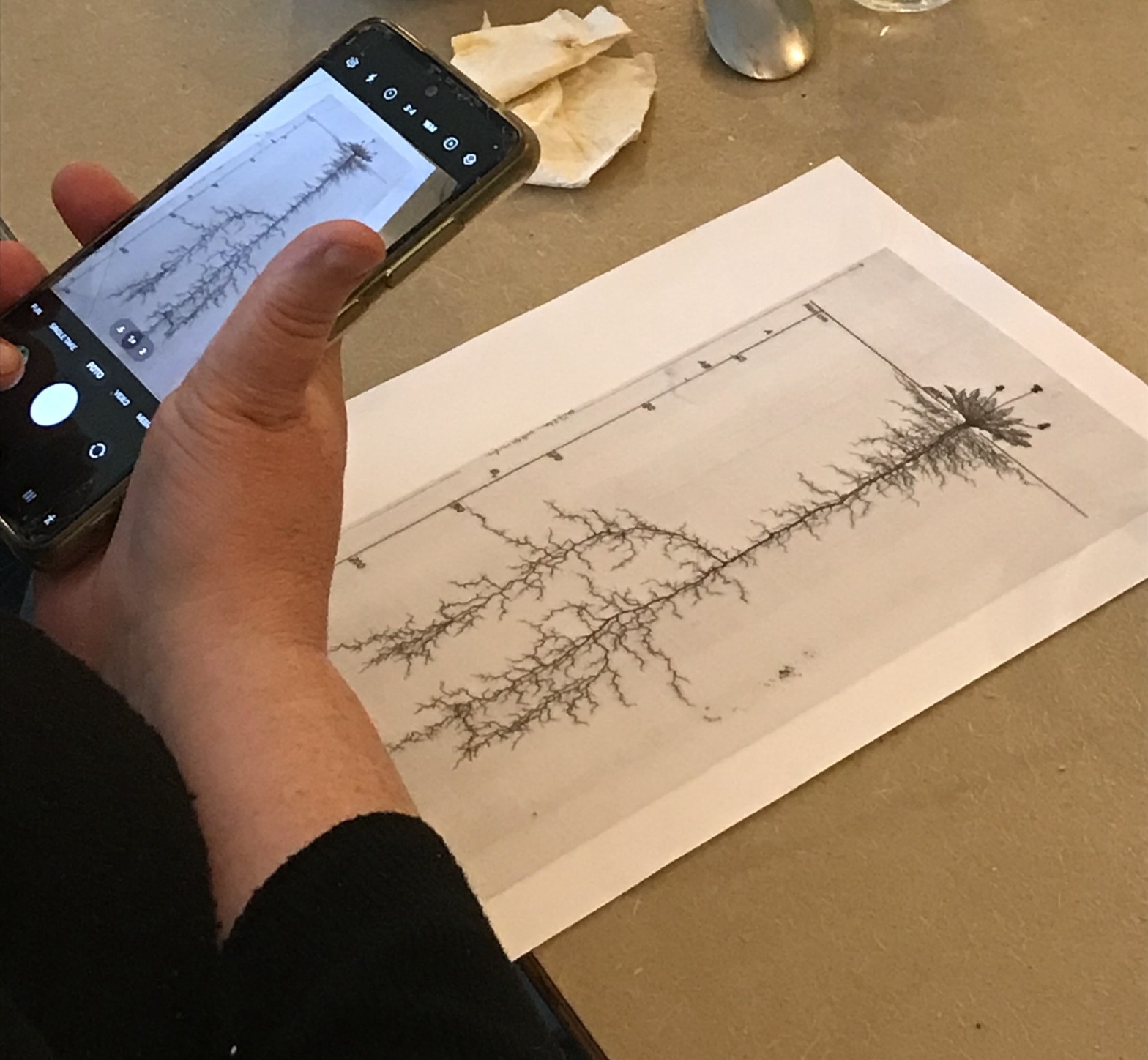
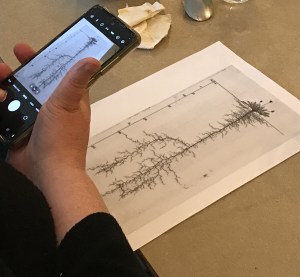
We are often captivated by nature’s visible beauty, whether it’s a blossoming flower or the grand canopy of a noble oak. When asked to visualize a tree, most of us picture its trunk and canopy, but rarely do we consider its hidden, underground root system. Yet it’s the roots that anchor the tree, absorb water and nutrients from the ground, and store food reserves. No tree can survive without its roots. Additionally, roots play a crucial role in preventing soil erosion by binding the soil together.

But how do roots manifest in our human lives? How can we anchor ourselves to stay steady and resilient, even in challenging circumstances?

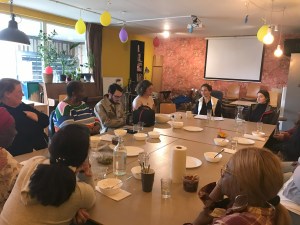
This intriguing question was the focus of a workshop we organized with the SET&Neighbourhood (SET&Debuurt) community in IJburg, Amsterdam, as part of the Social_Peas project.

IJburg is an eastern district of Amsterdam, situated on an archipelago of artificial islands in the IJmeer. The first residents moved in 2002, and six years later, the neighborhood had 10,000 inhabitants. Today, it is home to nearly 31,000 residents from diverse backgrounds. In this vibrant part of Amsterdam, SET is a socially engaged community of newcomers and students who share their life experiences and knowledge to nurture the community.

What an exciting setting to explore how roots are present in our lives!

Picture of a dandelion used in the workshop

With a group of people from six different countries and cultures, it was fascinating to witness the various ways roots manifest in our lives. “My roots are where I’m coming from” was a frequent answer, but upon deeper reflection, family (and ancestors), friends, and the place of growing up were most often listed as significant anchors.

It was also interesting to see that mother tongue was often cited as a crucial element of one’s roots by those living in a non-native language environment. When it comes to the challenges of interacting with people from different backgrounds, language and nuanced communication seemed to be the biggest obstacles.

Not surprisingly, food is also considered an important element of our roots. What and how we eat reflects our culture and the way we interact with others in our local community. Music and songs were also mentioned as great supports for finding grounding in challenging times.

With all the shared examples of roots in our lives, everyone agreed with one participant who said, “You might not see the shared roots with someone, but you can immediately feel it.” Like a plant’s roots, our human roots often remain invisible and unconscious, yet they enormously influence our behaviour, feelings of connectedness, well-being – almost every aspect of our lives.

We often forget that humans and our societies are part of a much larger system: Earth’s global ecosystem. The solutions and principles developed by nature over billions of years can and must be recognized and adopted in our human systems, whether at an individual, community, or societal level.

When applying (social) permaculture, we are doing exactly this. We rely on nature’s wisdom to implement sustainability and balance in our lives, communities, and societies.

In the Social_Peas project, we are now concluding the exciting exploration and development of tools to apply nature’s wisdom using the permaculture framework in social settings. But the work has just begun, and we are eager to continue spreading social permaculture with SET&Debuurt and other communities and organizations.

Navigating Conscious Ageing in Relationships

Conscious Ageing is my profession, and that brings a wonderful benefit;  my own life has become my primary research field. While a surgeon can never operate on themself, I have the opportunity to examine my own life situations, viewing them through the lens of Conscious Ageing. What greater art could there be than nurturing meaningful, mutually beneficial relationships that bring us contentment and happiness? This is especially true when the person involved is a lifelong companion, in my case, my husband.

How can we understand and use Conscious Ageing in our relationships?

There is always an individual aspect to Conscious Ageing. We can think about caring for our physical, mental, psychological, and spiritual health, as well as our personal ambitions and professional development (which, of course, can also influence our relationship). However, there are other parts of our life where we need to collaborate and find consensus with our partner if we want a content and happy relationship in the long run. Typically some of these areas are housing, financial sustainability, or certain aspects of professional ambitions (eg. moving to another country).

Do we ever really plan for our older age, and create a vision of what we want?

I believe that taking time to consciously reflect and create a tangible, authentic vision is crucial, both for ourselves and for our relationships. We need an inspiring vision to give us the strength, enthusiasm and perseverance we need to navigate through our often monotonous, task-filled, problem-solving daily lives. A shared vision can guide us through the uncertainty and unpredictability of the future.

When the Netherlands went into lockdown in March 2020, I couldn’t have anticipated that the coming months would provide our marriage with the opportunity to closely examine our 26-year-old relationship. Yet, this is exactly what happened. Due to the lockdown, our sport activities abruptly ceased, prompting us to quickly seek alternatives. Opting for daily walks in the nearby Amsterdam forest seemed like an obvious choice.
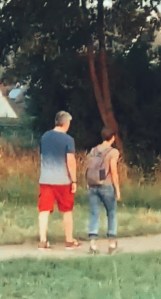
Our initial intention was to maintain our health, but our daily walks quickly evolved into a deep process of couple-therapy. With the safety and the support of Nature we could openly and honestly reflect on our previous years. Twenty-six years is a long period in which much has happened and changed. We encountered significant changes, both individually and as a couple. We had two kids, we changed addresses, jobs, professions, countries, and we’ve gained significantly more gray hair.

Our daily two-hour walks for over 20 months (at least 1200 hours) provided us the time and space to reflect on our shared life, celebrate our achievements, let go, mourn our losses, and contemplate our future. In these natural surroundings, our walks allowed us to discuss the most challenging, sensitive, and painful topics openly, and with love and care.

We had the time and the space to reflect on and evaluate (individually and as a couple) our “midlife existence”. Happily and with some surprise, we acknowledged that despite the many lows and crises, we are still deeply in love with each other and mutually expressed our wish and willingness to stay together and create a common future. This was definitely a prerequisite to build a shared vision.

First, we dreamed of our future life including our older selves. We discussed what we envisioned for our future selves; what we want and where we want to be. We systematically applied this approach individually and as a couple. Our personal and professional ambitions have changed tremendously since our early thirties. The creation of the Hekate Conscious Ageing Foundation was already a part of my personal and professional rebirth but my husband was yet to go through this self-inquiry and “re-design” process.

We decided where we saw ourselves in old age. This was a critical decision in our Conscious Ageing journey because living in a more expensive European country requires different decisions when it comes to financial sustainability and housing. We’ve been contemplating a community-living project for many years, but now we analysed in detail – for the first time – what living in a community would mean for us on a practical level.

We addressed the topic of our still fit yet ageing elderly parents living in our home country, our friends scattered around the world, and other relationships that have been built with time, attention, and energy. Social relationships are precious capital that, like physical and mental health, need to be carefully nurtured.

We found the courage to discuss some life scenarios we might have want to avoid, but needed to address. What happens if one of us becomes unwell, or even worse, passes away? What if, despite all our efforts, we end up separating. Going through the worst-case scenarios helped us to readjust our initial vision.

I can imagine that reading about this process may seem dauntingly serious or uncomfortable, but in reality, these were overwhelmingly positive, joyful, and meaningful conversations. While walking (and burning significant calories 😊)  we were gazing at the ever-changing forest, observing the Scottish Highland cattle, and witnessing the energetic lives of families of geese and ducks.

Vision without action is a daydream

Drawing from my personal insights and from working with clients, it’s clear that when we create a vision, then plan and commit ourselves to realizing that vision, we are better equipped to implement it more consciously and efficiently.

This is what happened to us as well. We made important decisions we’d been postponing for years and we managed to carry them out over a couple of months. We took significant steps towards long-term financial sustainability and professional goals. I’m sure that these conversations helped us to smoothly handle our eldest child’s unexpected wish to move out and start an independent life.

Can we execute our plans and realize the envisioned future in our old age or not? I’m unsure.

Our vision is just a tiny drop in the ocean of global crises, filled with unpredictable societal, economic, political and climate changes. No vision can guarantee or even predict the future. But that’s not the purpose. A vision essentially influences the present. It supports us in living in the present with our own responsibilities, capabilities, and resources. It helps us to understand that our decisions and choices affect the unpredictable and unforeseeable future ahead of us.


If you’re interested in exploring ageing further, whether through individual therapy sessions or joining the Unfolding program starting in March, please reach out. As a Gestalt Therapist specializing in ageing, I’m here to offer professional guidance and support tailored to your needs.

Community check – this how well we are digitally

In Hekate we’re strongly focusing on the digital aspects of the different areas of life, too. We approach ageing, mental health, work, personal fulfilment, social life and community, and even sustainability through our digital lenses. Why? Because we do live in a digital era that requires us to intentionally and critically reflect on and act upon the digital approaches we take within, for or thanks to these areas of life. We are also committed to guide individuals and communities to obtain their optimal state of health and wellbeing while using technology, aka Digital Wellbeing. We organise local and online events, we run club discussions, we publish informative articles as part of this commitment. What we find extremely important is to create space for dialogues so that we can really understand what you, the members of our community, need indeed. We undoubtedly learn a lot about this during the events! Last year we’ve also ran a survey with one of our partners, A Bit Better from Estonia, that many of you have filled in – thank you again for that.

In this article we’re sharing with you what we’ve learned about your thoughts, challenges, coping tricks etc. about digital wellbeing. In the survey and beyond.

To talk about a general overview, we’ve asked our community to tell us about how they feel they behave in certain aspects of their digital lives. In a two areas we could observe some sort of confidence:

  • 60% of respondents stated they strongly or mostly feel like Communication Champions since they think to have effective and frustration-free communication online both with colleagues and friends. Amazing! Only 15% felt the exact opposite.
  • Another great news is that 50% of respondents feel to be real Privacy Gurus – or at least they’re close to that: they are aware of the privacy, security and notification settings of social media platforms and subscribed apps etc and they reevaluate my settings from time to time. This is something to applaud! At this topic though we can observe more radicals, as 30% feel they are really or pretty bad with this privacy question.

We could observe some more concerning answers, too:

  • When it comes to focus, only 35% of our lovely lot felt Focus Ninjas because constant notifications, advertisements, random pop-up windows, multiple open tabs and softwares mostly DON’T challenge them – they get through their to-do list always as planned, nevertheless. Another 40% said so-so, and 25% expressed the total opposite.
  • 37,5% of the respondents said they find it difficult to fully switch off, they feel like they’re missing something important if they don’t check their phone – and basically they feel they need to be “always-on”. We consider this quite a high number, especially when only a bit more than a quarter feels actually easy to switch off!
  • Although 42,5 % of the ones we asked feel they are Tech Pros: changes, updates and new features of their usual softwares/tools/apps (such as Zoom/Gmail), or learning quickly any new software/platform they need to use DON’T stress them – they are confident in tech and know very well where to find support when they need it; a significant 37,5% expressed to feel the total opposite!

These above already show some improvement areas, and the worst is still yet to come:

  • Only 17,5% of those who filled in our survey feel they are Wellbeing Heroes, meaning that their habits help them feel relaxed, balanced and generally well both emotionally and mentally. 32,5% expressed strong struggles.
  • 40% of the respondents claimed to identify with the title Mr/Ms Drained: they often feel overwhelmed by the amount of (read or unread) email & chat messages, and online meetings they have.
  • Last but not least more than half of those who responded, to be exact 52,5% said that they do not feel to be Plan Masters and they don’t have strict rules about why, when and how they use their digital devices. Only 20% claimed to feel confident Plan Masters.

What does this mean in terms of the bigger picture of our community’s digital wellbeing? Let’s see our responding community average:

We’ve been always curious to understand what our communities greatest online and digital challenges are during work. What we’ve understood so far:

  • general info- and e-mail overload
  • difficulties with separating online and offline presence, lack of tech-life balance design
  • adjusting to dynamically changing algorithms
  • not optimal digital infrastructure and framework provided by employer
  • lack of practice-based learning in digital topics
  • riddles of our digital spaces, such as continuous password issues or running out of memory/space (and not knowing what to do about it) technostress
  • manipulative content of Social Media
  • risk of addiction and media bubbles
  • the beauty of borderless online work creates intercultural frustration
  • overwhelming amount and „structure“ of applications; using the right platform for the right purpose
  • constant noise, notifications, pop-ups as constant source of distraction
  • struggle in prioritizing in the online space
  • difficulties with „switching off“ Social Media
  • too much time online
  • difficulties with building and maintaining meaningful online connections
  • lack of intentional existence in digital spaces (flow)
  • lack of digital literacy (even people of leading position often need basic digital training)
  • privacy issues
  • missing important things due to multiple communication channels
  • constant multitasking
  • spam emails, phising

We also asked our community about their best practices: tools, methods, rules that support their tech-life balance and wellbeing. We were very happy to see some really cool things:

  • Evening wind-down process: switching off phone and laptop 30-40 mins before going to bed and setting up „do no disturb“ between 22:00 and 06:00
  • Notifications set only for people that one wants to know about, the rest is on mute. Switching off availability status.
  • Leaving the phone behind (in another room for example) in order to rest
  • Strict work-life balance, regular yoga-sport-nature.
  • Reviewing screen-time data of the day/week
  • Filtering content, using adblock
  • Purposefully looking for content outside of one‘s comfort zone
  • Active offline social-life, spending time in nature, travelling, cycling
  • Taking digital break from time to time
  • Using paper calendar and other old-school methods
  • Connecting social media with hobbies so that it de-stresses one
  • Calming yoga stretching (including yoga nidra) or practicing Jacobson relaxation technique – both regularly
  • Using Social Media only for work purpose
  • Not using mobile or laptop while the children are around
  • Using Pomodoro timer or other focus management apps
  • Reading and meditating
  • Dedicated screen-free/tech-free time; dedicated e-mail time
  • Switching off pop-up notifications
  • Reading more psychological, wellbeing and creative news than economical and political articles; not watching news
  • Using Tetris to destress in breaks
  • Online fitness activities
  • Working only from a specific home of office space (not elsewhere in the house)
  • Keeping the time spent at the dining table or in bed offline
  • Minimalist design of phone organisation

While it is wonderful to see many hints & tips, and best practices, we cannot empathize enough that Digital Wellbeing is an individual measure. Everyone
‘s optimal state of health and wellbeing will be defined by their own values, goals and needs – which is unique. One thing can work for one, and be totally harmful for another and vice versa. Our greatest learning from the last year that we do need to continue creating space for conversations where we can all stop and think about how we want to live our life in the digital space, and plan and act based on those wishes. And how we imagine this?

  1. Club conversations where individuals can share their current challenges and talk about different approaches or solutions.
  2. Guided learning experiences (workshops, trainings) where we have dedicated time to discover and work on a specific area of many of Digital Wellbeing – both for personal or professional purposes.
  3. Short- and long-term training programmes for individuals and professionals of communities and organisations about basic digital hard- and soft skills – for building sustainable digital habits and culture, digital resilience and digital wellbeing.

So what‘s on the rise to support this mission? 🙂

  1. Check out our Club Conversations, the next talk is coming soon!

2. Check our self-paced online training opportunity (free) about Digital Consciousness and Digital Readiness! 🙂

3. Follow us and stay tuned for further opportunities, as there is quite some plans in the making! 🙂 Short and long-term, too.

This article was written thanks to the survey that 40 members of our community kindly filled in for us and thanks to the lot of feedback we received during several offline and online events we had in the last year. Thank you again! ❤

When a project won’t just end…

We started our DigInclude project 2 years ago. While it’s coming to its official end, we are far from really ending it. It is just impossible not to carry with a different meaning of work – and life, too. It is impossible not to build on all the learnings we experienced, and not to leave all the emotions behind. During these 2 years we had sparking eyes, great motivation, willingness and impatience to do; we had successful activities, bright insights, forward-looking ideas; as well as we had struggles and pressure, too. We’ve committed ourselves to quite some results during this project, and most of those we even exceeded. One thing however proved to be way more difficult than everything else: bringing together an international community of disadvantaged groups with the aim of learning and growing together. We have managed to move 100+ people during this project, who did learn and grow together, yet, the community we visioned is still to be born. Some of my personal reflection points on the why:

  • People forming a community is not coming from an external force, it is an organic process that takes time as well as effort of each individual. In a community people want to connect, both want to give and take, are willing to dedicate their time and are open for others. In a community people belong. Belonging is coming from various feelings such as trust, self-love, self-acceptance, compassion amongst many more. All of these are being built through shorter or longer process depending on each individual. Which is beautiful and ok.
  • Digital communities – that we envisioned – are more difficult to build. The “ah yet another group to join” feeling is not an easy one to fight with. Values in constant noise (digital noise) are difficult to find. Digital versus in-person will never win. Creating and maintaining meaningful relationships and building trust via laptop or phone takes even greater effort from individuals. The lack of digital culture and problems with intentional tech usage make it more difficult for people to prioritise their online capacities. Taking conscious digital actions and sticking to healthy digital habits is a process, which is different to everyone. Which is natural and ok.
  • A space can be ready, while individuals might be at a different place mentally, emotionally or capacity wise. Which is again ok.

And what are we taking away from this? Patience, trust and gratitude.

  • We need to be more patient if we want to see a strong, interconnected, sustainable community. A forest is not being born in a day either, or not even in 2 years. 🙂
  • We need to keep the trust that the value and meaning we bring with our work is needed – which we get plenty of confirmation about. We also need to trust the process: a good seed in a good environment must blossom. 🙂
  • We need to remind ourselves how grateful we are for the people who are with us already now on this journey, their active participation, their feedback, their appreciation, their encouragement are unbelievably valuable for us! They are the sun, the light and the water that the seed needs. 🙂
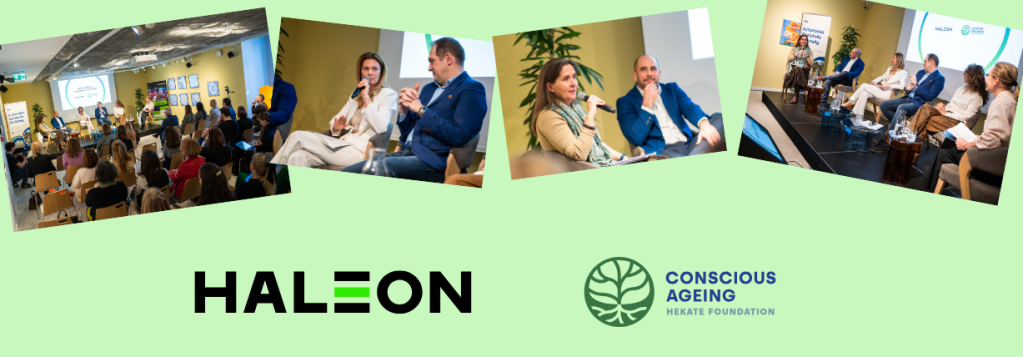
Speaking of gratitude and growing… We are very grateful for this opportunity we were given with this project. We’ve definitely grown a lot not just as an organisation, but as individuals supporting its mission. It’s been a special project that we’ll indeed carry with us for a long-long while.

Another, super important thing to be grateful for: One of the things we’ve discovered during this project is the difficulties around self-confidence and self-acceptance of people of disadvantaged groups. We felt the urging need of supporting them on the journey of getting to love who they are, so we designed a mentor program that we decided to try with one of our participant. Although we could not finish the whole program, already after just some weeks of meaningful conversations and guided activities, we could feel the shift in how they approached the whole project and how they stood up. Reading their testimony now, almost 2 years later, is another lesson or reminder to trust! Here is what they had to say about their experience:

“We started working together 2 years ago in a self-confidence coaching session. I was open to it because I knew I needed it, it helped a lot that I could talk to women as women, because I’m surrounded by men due to my profession (IT field, I work as a designer).

DigInclude has opened up a world for me, partners abroad have been completely open, welcoming and curious about my situation, the process and how to collaborate. They learned a few sign language signs and were not afraid to laugh together, and to resolve situations when there was a barrier to communication.

During the 2 years there were many mentoring sessions with “homework” which were very exciting. Some were out of my comfort zone and some were things I have tried to apply ever since.

One of the most difficult tasks was to ask people close to me to make a list of why they love and/or appreciate me and I am important in their lives. Even just the starting point was difficult, to find people from whom I MEANT to ask for cooperation. It was a very good experience/journey because it gave me the experience that we don’t say enough to those around us that they are valuable and important to us. It made me realize what makes me important to the different people I know- and NONE of these were about physical outlook, which in the end didn’t surprise me, but as a woman I put quite a lot of emphasis on my appearance to make me more likeable. It made me realise that we need to give more positive feedback and affirmation to each other around us, because it feels mutually good for everyone. This small thing can bring a little bit of energy, peace of mind and “sunshine” into one’s life.

The other task was to try to do things that I would normally do while having my phone around, without the phone in the hectic everyday life, where the internet is now an integral part of our lives. These included walking, driving home, shopping, waiting for the bus, baking and cooking. I started to consciously avoid using the phone, and although I missed it at first, wanting to be ‘online’ all the time, over time I learned to be ‘with myself’ more and more. Managing my thoughts appropriately, dealing with stressful thoughts appropriately, my anxiety that I used to feel offline, on my own, decreased significantly.

I don’t have the stress of looking around on public transport anymore, I don’t worry about “what other people think”, I can feel comfortable and at ease. There are situations that are difficult, but I am in the process of changing that (e.g. eating alone in a café, eating alone in a restaurant, going to the cinema alone.)

In the 2 years I’ve been here, I’ve come to the point where I can stand up for myself, I can speak my mind even if I know the other person has a different opinion. Maybe it’s a small thing, maybe not : my eating disorder has decreased very significantly. I have a better relationship with food and my body. Thanks to the feedback, it has become strong in me that my likeability is based on internal attributes alone. And I take care of my body for health-preservation purposes, but I don’t force any diet or exercise, with the motivation that I will be “better accepted” as a result.

There are tasks that I have been doing professionally and in my personal life since we started this.”

This is how DigInclude officially finished and has not ended yet. ❤

DigInclude is a joint project of SignCoders and the Hekate Ageing Conscious Foundation. We’ve worked together to develop digital skills in communities of disadvantaged people. The project had the following main objectives:

  • Building Hungarian and Dutch communities, long-term community learning and progressive online community spaces in the context of adult education.
  • Training young people with disabilities and disadvantages in digital skills, digital literacy and digital well-being, and supporting their successful employment in the digital world.

This article was born as part of the Erasmus+ project “DigInclude – Developing Digital Skills in Disadvantaged Groups” and co-funded by the European Commission. THANK YOU!