UnfOlding – The current (toxic) narrative of ageing

Everyone wants to live long… but no one wants to grow old.

Since conscious ageing and shifting the narrative of ageing became my life mission and my main professional occupation 8 years ago (at the age of 42), I have never had any problems with starting a conversation with people I didn’t know. People of all ages, and with various backgrounds jump into the topic immediately and start to share their own experiences of ageing or stories about their older relatives.

I recently attended a gathering where I introduced myself to someone as the co-founder of Hekate Conscious Ageing Foundation. In the blink of an eye I found myself in a deep conversation with this person about the biases and the negative social status that she experienced daily as a recently retired, widowed woman, despite her physically active, socially and professionally vivid life. She struggled with the image that society continuously imposed on her. She felt tired of trying to remove the stigma of “retired widowed woman” that she felt was attached to her.

In our societies in Europe (and in the Global North) ageing has an almost repugnant connotation that can inspire fear. Some people suffer from ageing anxiety (or FOGO, fear of getting old) as early as in their 20’s or 30’s but it becomes almost inevitable in our 40s and/or 50s when going through midlife changes. At the latest around retirement age, almost everyone faces the (mostly) negative consequences of ageing.

Useless, invisible, dependent, put away, burdensome, loneliness, pain, sickness, decline”. These are the words that popped up first in the minds of the UnfOlding (Conscious Ageing-Conscious Living) program’s participants when thinking of “ageing”.

Seriously? Any laxative has a better marketing slogan than that! For sure, this doesn’t seem an appealing journey to anyone. Yet this is the dominant narrative of ageing we are told today. And let’s be honest, this is also – more often than not – the reality.

I’m a Gestalt Therapist and facilitator of trainings and programs around the topic of conscious ageing and conscious living. Thanks to my work, I gain day after day a deeper, more intimate understanding of how different the journey of one’s ageing can be.

The stories, the sentences we hear from our parents, grandparents, aunts and uncles strongly and often unconsciously shape the way we can or can’t visualise ourselves as an Elder.

One of my clients (late 50s) considered ageing as the worst thing that can happen to someone and had great difficulties in accepting the changes coming with it. Growing up in a household in which “life has nothing to offer after 65” was a commonly shared and accepted idea, he had no model of how to age well and live a meaningful long life. This client found ageing so frightening that he struggled to enjoy his, in other ways, rich and meaningful life.

Family stories are not the only ones shaping our way of thinking and feeling about getting old.

The culture, the society we are living in also has a tremendous impact. I do acknowledge the differences between cultures and countries and yet I would dare to say that the current consideration of ageing and Elderhood in Europe is outdated and toxic.

Outdated, because it doesn’t take into account that people live longer, healthier and happier lives and they stay active and independent for much longer than just a couple of decades ago. It’s toxic because it creates fear by projecting the image of the worst potential scenarios (strong physical or mental decline, full dependency, loss of self-awareness,…) on the whole journey of getting older while completely ignoring the gains that come with it.

I’m not trying to say that getting older is all fun and joy. It isn’t. The longer we live, the more chances we have to encounter loss. Loss of our physical abilities, loss of friends, ideas, identities just to name a few. My point is that we, as individuals and as society, tend to focus exclusively on the losses and decline (just think about the products and services targeting ageing people) yet with longer life comes also more connections, more skills, wider experience, numerous identities, various life stages and more opportunity to contribute. We just don’t talk about them. Why? Why not?

I’m certainly not the first one to talk about negativity bias . Negativity bias means that things of a more negative nature (unpleasant thoughts, emotions, social interactions, harmful events) have a greater effect on our behavior and cognition than something neutral or positive.

To put it simply: when we think of someone old, we tend to visualize our physically and mentally declined neighbor rather than our energetic and fit uncle or our long retired, brilliantly sharp minded Dutch teacher.

When thinking about old age and our own older years our mind activates (unconsciously) these negative images. Sadly this bias also applies when we interact with ageing or older people and we project these images onto them (and here we are just a few steps away from ageism).

One important aspect of Conscious Ageing is to become aware of our personal and cultural beliefs, our conscious and unconscious biases, our fears and anxieties related to ageing. Once we are aware of them we can consciously decide to keep them if they support us, or let them go if they hinder us (or at least tame them).

For the first time in human history the people in today’s generations in Europe who are living up to 80 years or more are no longer an exception but the average. If we want to make the most out of our longer, healthier, happier life ahead of us we need to change the fear based, burden focused and toxic narrative of ageing.

Now is the time to (re)design a meaningful, appealing yet realistic journey of ageing and becoming an Elder. Now is the time to (re)build communities where all members at all ages can contribute by sharing their skills, knowledge, experience and capacities.

Not just for ourselves but also for the generations coming after us.

—————–

If you want to dive deeper into Conscious Ageing, why not stay connected with us?

Subscribe to our newsletter or follow us on social media for the latest updates!

——————

UnfOlding is a project funded by the European Union.

Leny 80 – Those Whose Footsteps I Want to Follow

Lighthouses. They live among us. Perhaps they lack lanterns, but their smiles, their words, their entire beings radiate energy, joy of life, and a desire to live. They appear as relatives, neighbours, or as teachers, and though often not consciously acknowledged in our daily lives, they wield a significant impact on us. Sometimes they become closely intertwined with our lives, other times they pass through as strangers, momentarily intersecting with our journey. You can recognize them by how they function as compasses within our souls, providing support, guidance, and strength in the tougher moments of our lives.

I’m fortunate to have several lighthouses guiding my life. Now, I want to write about one of them, Leny, who will turn 80 at the end of August. Leny is one of my role models, an endless source of inspiration, and most importantly, my friend.

Leny

Our friendship began as an ordinary teacher-student relationship sometime in 2016. I (then) 43 years old, was navigating my family integration in the Netherlands after our move from Hungary. Juggling between work and family, sometimes I arrived at the classes with enthusiasm, other times with exhaustion, and occasionally feeling defeated by my struggle with the Dutch language.

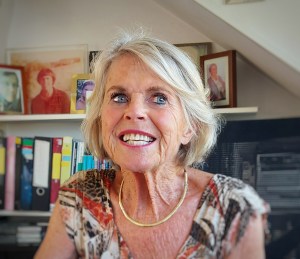
She (then) 73 years old, always awaited me after her morning sport (running, skating, walking in the forest,…) with a radiant smile, graceful elegance, and mischievous blue eyes, accentuated by her ever-present lipstick.

As my Dutch vocabulary and language skills expanded from class to class, we began sharing more of our personal lives. The more we learned about each other, the more apparent it became that despite our differences in age, origin, and culture, there were numerous remarkably similar threads of history and emotion running through our lives. Our Dutch classes slowly evolved into intimate conversations, offering deeper insights into each other’s lives over the years. It’s strange and heartwarming to realize that she, a Dutch woman in her 70s, and I, a Hungarian woman in my 40s, often share more similar opinions on various topics than we do with our own generation or fellow citizens.

As a woman in my now 50s, Leny’s 80 years long life provides me with a genuine guidance. Through her personal stories, my belief got stronger that love, beauty, and a joyful life are possible even after the most challenging and traumatic life situations. She is the living evidence that curiosity, the joy of life, and openness to the new don’t necessarily diminish as we are getting older.

“I truly began to enjoy life after turning 60. There were many good things before, but since then, I’ve truly relished every moment,” is a phrase I often recall during moments of less optimism about my own old age.

“I might not live to see it, but I’d love to witness how the world evolves 15-20 years from now with the spread of artificial intelligence! I hope somewhere over there, I could still see it,” perfectly summarizes her curiosity that extends beyond her physical existence.

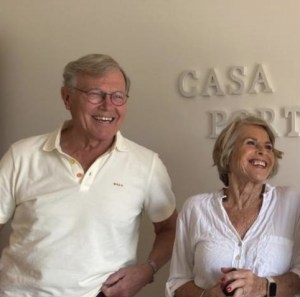
Leny and her husband Jan. Inspiring couple

In the past 7 years that we have known each other, much has changed around us and within us; I turned 50 this year, and she will turn 80. Few things remained constant, but Leny’s incredible energy, unquenchable curiosity, openness to the new, and love for life still radiate with the same vigor as when we first met. Regardless of the physical or emotional state I am in when I come to our meetings, I always leave EACH AND EVERY TIME filled with energy and gratitude. Her completeness in appreciating the everyday beauty and joys of life, her presence in the lives of her family, friends, and broader community – none of it has changed.

We always ask the participants of our UnfOlding – Conscious Ageing program to consider who their role models and positive inspirations are when it comes to ageing. It’s perhaps not surprising that they never mention famous or popular figures, but rather ordinary people from their lives: older relatives, teachers, neighbours, colleagues.

Just as Leny serves as an inspiration for me today, maybe I am also (consciously or unconsciously) a good or bad example for a younger relative, acquaintance, or colleague gathering experiences for their own long life story, their “ageing script.”

If we want to change the perception of ageing and elderhood, we can start by changing ourselves. Let us be the positive examples for each other and the generations to come, demonstrating that ageing has not need to be the dreaded physical and mental decline, but a natural transformation process stemming from a long life.

P.S. Leny, I know you’ll read this so this part is specifically for you: While writing this post, I remembered our countless funny, sometimes unbelievable stories, our shared laughter, the moments when we rooted for each other, as well as the jointly experienced sad life situations that made us shed tears together. Thank you for being you, being a part of my life; this means a lot to me. Gefeliciteerd met je verjaardag!!!

Conscious Ageing Club – Will robots care for us?

After the summer holiday, we are eager to continue our Conscious Ageing Club (online). Last time, we began a conversation about AI and digital solutions, as well as their impacts on conscious aging. (If you missed the conversation, you can read some of the insights here: https://hekate.foundation/2023/06/05/conscious-ageing-club-we-kicked-it-off/).

It became apparent that this is such a broad topic that certain aspects require further reflection. As a result, we are dedicating the next Club event to the subject of how technology is shaping the elderly and healthcare.

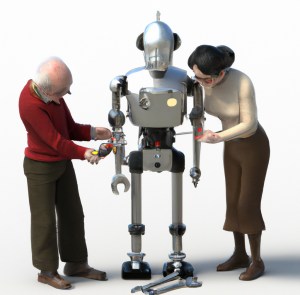
Will robots care for us?

  • What can we anticipate from advancing technology?
  • How can we prepare for our elder years in a technology-driven world, even if we are not particularly enthusiastic about technology?
  • What is currently underway, and what trends are emerging in elderly and healthcare?
  • Additionally, what might our future look like as caregivers and caretakers?

Panel speakers:

Márta Weijters-Répási – Registered Nurse, Nursing Manager at an elderly home in the Netherlands

Kinga Milankovics – Elderly Carer in Great Britain, co-founder of HCAF

Moderator: Milena Milankovics – Co-founder of HCAF

The aim of the Club is to initiate conversations about topics we don’t typically discuss. We will start the Club with a panel discussion and then open the conversation to all participants.

Please note that the event will not be recorded.

Date: 13th September 2023
Time: 15.30 – 17.00 UTC+2

Language: English

Participation is free, registration is needed.
Register: here

We will send the zoom link 2 days before the event.

***

The event is part of the Erasmus+ project “DigInclude – Developing Digital Skills in Disadvantaged Groups” and co-funded by the EU. You can read more over the project here.


One wholesome response to the mental health crisis

Among many other crises (climate, care, housing) we also face a mental health crisis. While mental health cases and issues quickly rise, available support, staff and funding are in decline. According to Martin Price, vice president of Health Economics, Market Access and Reimbursement in Europe:

“The OECD estimates that mental health disorders cost Europe over €600 billion in 2015, equating to around 4 percent of GDP. There are direct health care costs, but with mental health, over 50 percent of costs are indirect, related to factors like absenteeism and productivity losses from work and direct costs related with social security benefits. If we look forward, some estimates are that the economic burden of mental health will rise globally to €14.5 trillion by 2030. Our view is these numbers will be dramatically increased by the pandemic if no action is taken. Depression, in particular, is one of the most prevalent health disorders and a leading cause of disability globally. Pre-pandemic, one in ten people in Europe had taken time off work due to depression. Since the spread of COVID-19 the number of people saying they had poor mental health tripled. The impact is disproportionately born by young people, those who live alone and people with a lower socioeconomic status6. Our view is these numbers will be dramatically increased by the pandemic without stronger action.”
Source: https://www.politico.eu/sponsored-content/tackling-europes-mental-health-crisis/

We must realize and face the fact that the EU and the member nations’ governments will not be able or have the will to fund the currently mainstream mental health services in the foreseeable future.

In the meantime, Europe is ageing, and there is a growing intergenerational opinion-divide around how to tackle the climate, the housing and the care crises. Policy and funding priorities are very different between the generations. Young people continue to take on a leading role in influencing, advocating, and demanding responsible climate behaviour and stronger political will from governments and the private sector. The child-free movement is on the rise, more and more women say no to care duties and underpaid care-related jobs including elderly care, nursing, teaching, etc.

Considering all these, the question arises: what can consciously ageing people do to prepare for their old age? What can we do on the individual, family, community, national, and EU levels, as active citizens? How can we contribute to a more sustainable and healthier society?

Well, for one thing, we can build social structures and local systems that are offering space, and support to all generations. There are many ways and good practices already established by activists, trailblazers, and social innovators of the last few decades.

This is one good example: Dixon Chibanda is one of 12 psychiatrists in Zimbabwe — for a population of more than 16 million. Realizing that his country would never be able to scale traditional methods of treating those with mental health issues, Chibanda helped to develop a beautiful solution powered by a “limitless resource”: grandmothers. Have a listen to what he has to say:

Why I train grandmothers to treat depression | Dixon Chibanda – YouTube

Another good tool to support communities and individuals is (social) permaculture.

Permaculture, social permaculture and mental health training

There is an Erasmus+ project called „Social Peas”. NGOs from Cyprus (FoE Cyprus), Malta (FoE Malta), Italy (Promimpresa), Slovakia (Icep), Spain (Intras) and the Netherlands (HCAF) are working together to develop locally adjusted trainings and solutions to support vulnerable people and support workers in their work. Permaculture and social permaculture-based training materials are developed, tested, and implemented. The duration of the project is January 2022 – May 2024 and we already have the core educational material ready. It has also been piloted and adjusted in the member countries according to the local contexts and organisational focuses.

We, at Hekate Conscious Ageing Foundation, are focusing mostly on social workers, therapists, community leaders, teachers, mental health support workers, ageing people, and permaculturists as target groups. Also, our focus has been on non-garden-related social permaculture. The reason for that is that we wanted to explore the opportunities of permaculture for those people who do not have resources or access to gardens, long-term projects and interventions. Luckily permaculture and social permaculture have a lot to offer there as well.

We also started to build a community around the topic, so that experts and individuals willing to explore the potential of permaculture and mental health can communicate, co-create and give support to each other.

We strongly believe that bottom-up, small-scale yet robust social permaculture trainings and activities offer affordable and accessible solutions in communities and for vulnerable people and their helpers/healers.

Our next “Permaculture, social permaculture and mental health training” is planned to be launched in 2024. The call for participation will be announced on our website and FB page later this year.

***********************************************************

Social_Peas project is co-funded by the EU

***********************************************************

Digital Inclusion – a professional forum in Hungary

As part of our DigInclude project, we are organising a professional forum in Budapest. Our aim is to create dedicated time and space for quality professional discussion, networking, preparing for joint work – in the spirit of inclusion. We will discuss, among other things, whether digitalisation is dividing or bringing us together, and what opportunities and risks we see in the digital world.

Why? Covid-19 has brought about significant, long-term changes in the use of technology: digitalisation has accelerated at an almost frightening pace, we are living through a technological revolution. While it’s an exciting opportunity in many areas, we all feel the challenges and threats that this brings. In our view, one of the most obvious causes of these challenges is our lack of readiness, which means that we are not using the opportunities provided by technology in ways that truly serve our own interests, goals and needs and those of our communities. It is great news that this can be learned, and even better news that with this event we are creating an opportunity for this learning! We would be delighted if you joined the conversation, during which we will explore together:

> What opportunities and threats does digitalisation bring to our community(ies)? How does it affect the lives and opportunities of our already disadvantaged fellow citizens?
> How can we help create and maintain healthy, sustainable, inclusive, thriving digital spaces?
> How can we turn the technological change to our advantage? How can we support the digital well-being of marginalised/marginalised groups?

What can you expect during the event?
> Professional discussion with organisations facing similar challenges.
> Creating and building relationships with professional partners and stakeholders.
> Exploring the above issues and themes in a playful and educational way (guided reflection, small group discussions, brainstorming together)
> Accessible space and activities
> Access to educational materials
> Good atmosphere and friendly smiles

The event will take place in Hungary, so if you are in the capital, join us! If you are interested, here are some details:

Date: 7 September 2023, 10:00-13:00

Location: CEU (Central European University), 1051 Budapest, Nádor utca 15.

Organizers: Hekate Foundation (Netherlands), SignCoders (Budapest)

Registration: In order to well prepare for the event, please register only if you are most likely to be able to attend.

You can register here.

The event will be mostly interactive, with the aim of facilitating the most active networking among participants. Please note that event’s language is Hungarian. If you wish to attend regardless, let the participants know so that they see if interpretation can be arranged.

Programme:

09:30-09:50 Registration

10:00-10:15 Opening, welcome, introductions

10:15-10:30 Antal Károlyi (SignCoders): briefly about the DigInclude project, why is digital inclusion important?

10:30 – 11:00 Nóra Taliga (Hekate Foundation): 1. workshop: Digital culture, digital citizenship, digital well-being. The format will be interactive, with questions, small group/pair discussions, brainstorming, etc.

11:00 – 11:30 Coffee break, networking

11:30 – 12:30 Nóra Taliga (Hekate Foundation): 2. workshop.

12:30 – 13:00 Short closing remarks and informal discussion

We would be very happy if you could come! In addition to the topical theme of the event, we consider it of utmost importance to foster more intensive cooperation between professional organisations.

The event is organised as part of our Erasmus+ project “DigInclude – Developing Digital Skills in Disadvantaged Groups” and is co-financed by the European Union.

P-AGE / Intergenerational and Age-Friendly Community Platform

The P-AGE project (Pécs* Intergenerational and Age-Friendly Community Platform) has been launched through a partnership between the Hekate Conscious Ageing Foundation and the Pécs Community Foundation.

For the first time in human history, 4-5 generations are living together on Earth. Europe has never had as many people over the age of 75 as it does today. Moreover, due to digital transformation, the worlds of older and younger people might never have been as different as they are now. These ongoing demographic changes bring forth many new challenges and countless new opportunities. To address issues like the massive housing crisis, the growing care crises, and the unstoppable climate crises (just to name a few), we need the knowledge, expertise, creativity, and cooperation of all generations.

While we can certainly find great examples of spontaneous cooperation between generations in our own environments, forming intergenerational cooperation at the community or social level rarely happens organically. It is essential that members of different generations see, hear, and understand each other to break mutual biases. By having common goals, shared places, and engaging in activities together, we can foster open conversations and come together.

The main goal of the strategic partnership between Hekate Conscious Ageing Foundation and Pécs Community Foundation, within the framework of the P-AGE project, is to initiate, support, and strengthen intergenerational dialogue and social cohesion.

Throughout this two-year-long project, an elderly-friendly intergenerational toolkit will be developed, incorporating international best practices. The toolkit will offer a special methodology that focuses on intergenerational cooperation, practical exercises, and an educational-sensitizing board game that can be utilized in various communities.

As part of the project, a group of professionals from Pécs city will be trained to implement the toolkit and the board game. These interdisciplinary experts, including those from civil, health, higher education, research, cultural, municipal, architectural, and equal opportunity fields, will participate in a community-focused but experiential year-long Conscious Ageing training.

The project’s results and outcomes will not only benefit the interdisciplinary experts who use them but also all citizens of Pécs city (of all ages). They will have new opportunities and places to meet, discuss, and get to know people from all generations.

Pécs* (/peɪtʃ/ PAYTCH, Hungarian: [peːt͡ʃ]) is the fifth largest city in Hungary, dating back to ancient times, and settled by the Celts and the Romans. You can read more about the city here.

—————————————————————————————————————–

The P-AGE project is implemented within the framework of the Erasmus+ program of the European Union, which provides the necessary financial support for its implementation.

Co-funded by the European Union. Views and opinions expressed are however those of the author(s) only and do not necessarily reflect those of the European Union or the European Education and Culture Executive Agency (EACEA). Neither the European Union nor EACEA can be held responsible for them.


UnfOlding / conscious ageing and conscious living in a digital society

To equip for conscious ageing and conscious living in a digital society

The UnfOlding project has distinct focuses:

  • Creating a dedicated community of adult learners from The Netherlands and Hungary, fostering ongoing dialogue, long-term community learning, and co-creating progressive community initiatives.
  • Strengthening the strategic cooperation between Hekate Conscious Ageing Foundation and Jánoshida Municipality in promoting conscious ageing and living, ensuring inclusivity for all members of their respective communities.
  • Supporting ageing individuals and communities in enhancing their digital skills, digital literacy, and digital wellness to enable active, healthy, and independent ageing.
  • Establishing a practical and down-to-earth network for exchanging knowledge between a central country (The Netherlands) and a semi-peripheral country (Hungary).

About the project:

The UnfOlding project provides unique learning opportunities for its target groups in The Netherlands and Hungary, focusing on conscious ageing, conscious living in a digital world.

Participants in the inter-regional learning communities will have the chance to engage in direct conversations about conscious ageing and living with citizens from central and semi-peripheral nations, gaining insights into their daily lives, social and personal challenges, and needs.

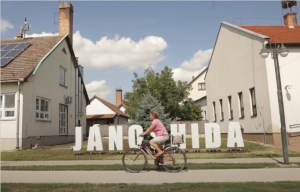
For the village of Jánoshida*, the project offers an invaluable opportunity to build inter-regional cooperation with a European nation like The Netherlands, accessing and benefiting from existing knowledge, experience, and processes related to healthy, active ageing and living in a digital world. Additionally, it allows the village’s citizens to experience tangible benefits and understand the EU’s values more concretely.

Through this project, we aim to contribute to European cohesion and integrity by establishing and expanding an inter-regional network of European citizens and organizations interested and involved in healthy, active, and conscious ageing and living.

The project’s target groups in The Netherlands include:

  • Low-income pensioners and individuals near retirement age seeking affordable life solutions for their older years
  • People with heavy care responsibilities, such as sandwich family members and women
  • Low-income women
  • Public service workers responsible for improving living conditions and elderly care
  • Middle-aged individuals interested in conscious ageing and living
  • NGOs, charities, and SMEs working on community living solutions

* You can read more about Jánoshida here.

UnfOlding is a project funded by the European Union.

Conscious Ageing Club – we kicked it off!

Celebration time: last week we successfully kicked off our Conscious Ageing Club with its first English speaking episode (after a couple of episodes in Hungarian)! It’s nice, isn’t it? You might wonder though what our Conscious Ageing Club is exactly, so let us tell you!

During one of our projects, co-founded by the European Commission, called DigInclude, we’ve been wondering a lot about how the rapidly changing technology, the digital (r)evolution and AI is (going to) effect our everyday lives, our opportunities & challenges and the way we co-exist in our communities & societies. As we’ve been digging deeper and deeper into how we can be consciously digital (we’ve even designed and created a free online course along the topic that you can check out here), we realised it’s a topic that keeps people busy in a way. To bring together these people full of perspectives, full of opinions, full of ideas, full of questions, we decided to open up the stage for meaningful dialogues with our communities! Hence a good old-fashioned informal club in a nice modern shape: digitally.

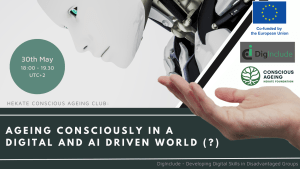
Last week a couple of lovely people joined the club conversation to discover a bit the topic of conscious ageing in the digital and AI driven world. As to begin with, we dedicated 90 minutes to for this huge topic, which only allowed us to look at a wider picture while having an informal conversation with people of similar interests yet different perspectives. People gathered from Hungary, Germany, the Netherlands and Lithuania with various backgrounds, experience, age and affinity to technology, which we were very pleased to see. Some of the insights we heard during the conversation: 

  • It’s hard to imagine what digital life and technology will look like in 20 years.
  • AI has been with us for long years, yet the revolution of it feels new. While it has amazing potentials (such as diagnostics, care strategy, education) it raises moral concerns on different levels.
  • It’s challenging to find a balance in how we want to keep up with technology’s further evolution. A strong concern has been raised about if we are able to say no to certain technologies without being excluded from society. 
  • AI and other evolving technologies need severe preparation: education of the society, awareness raising, discussion and dialogues, cooperation and co-creation between designers and end users.
  • Individuals, communities and societies should focus on their digital readiness to be able to use these technologies to their most benefits and their least harms. 
  • The (r)evolution of technologies does not mean a pure focus on our digital life, but incorporating our digital existence into our “in real life”  (offline) presence – a.k.a. mental health and digital wellbeing.
  • Evolving technologies should be considered as great complementary help to human work based not only on rational, but emotional factors. 
  • Governmental and societal support is needed in order to help disadvantaged and marginalised groups’ digital inclusion, such as educating seniors. 
  • One of our roles could be to keep up the conversation and help as many people as possible to reflect on these technologies, and the opportunities and risks or threats they bring. 
  • The need for further discussion of the topic was born during this club discussion: we all agreed to have more conversation on the same going into more specific details. As a next step, we would like to create a space to share personal examples, coping mechanisms, strategies, ideas etc for preparing to and using these quickly evolving technologies – keep your eyes pealed for our upcoming club discussions! 🙂

Many more club conversations are yet to come, and you’re welcome to join!  Remember, it’s a space for us to co-create and shape according to our needs, so we are always happy to hear about what keeps you busy and what you’d like to hear more about. Just send an email to nora@hekatefoundation.org if you have something specific already now in your mind – questions, concerns, wishes, anything can come.

If you’d like to stay up to date, please follow our Facebook page for upcoming events and keep an eye on our website for articles on related topics. If you’d like to think together, discover and discuss topics that come up along our digital journey, join Hekete’s Digital Learning Hub where you can be part of a willing to learn community that is just about to get started! (Sneak peak: very soon we’re launching an online course on Digital Readiness in our Learning Hub, don’t miss out if you’re interested!) 

The course was born as part of the Erasmus+ project “DigInclude – Developing Digital Skills in Disadvantaged Groups” and co-funded by the European Union.

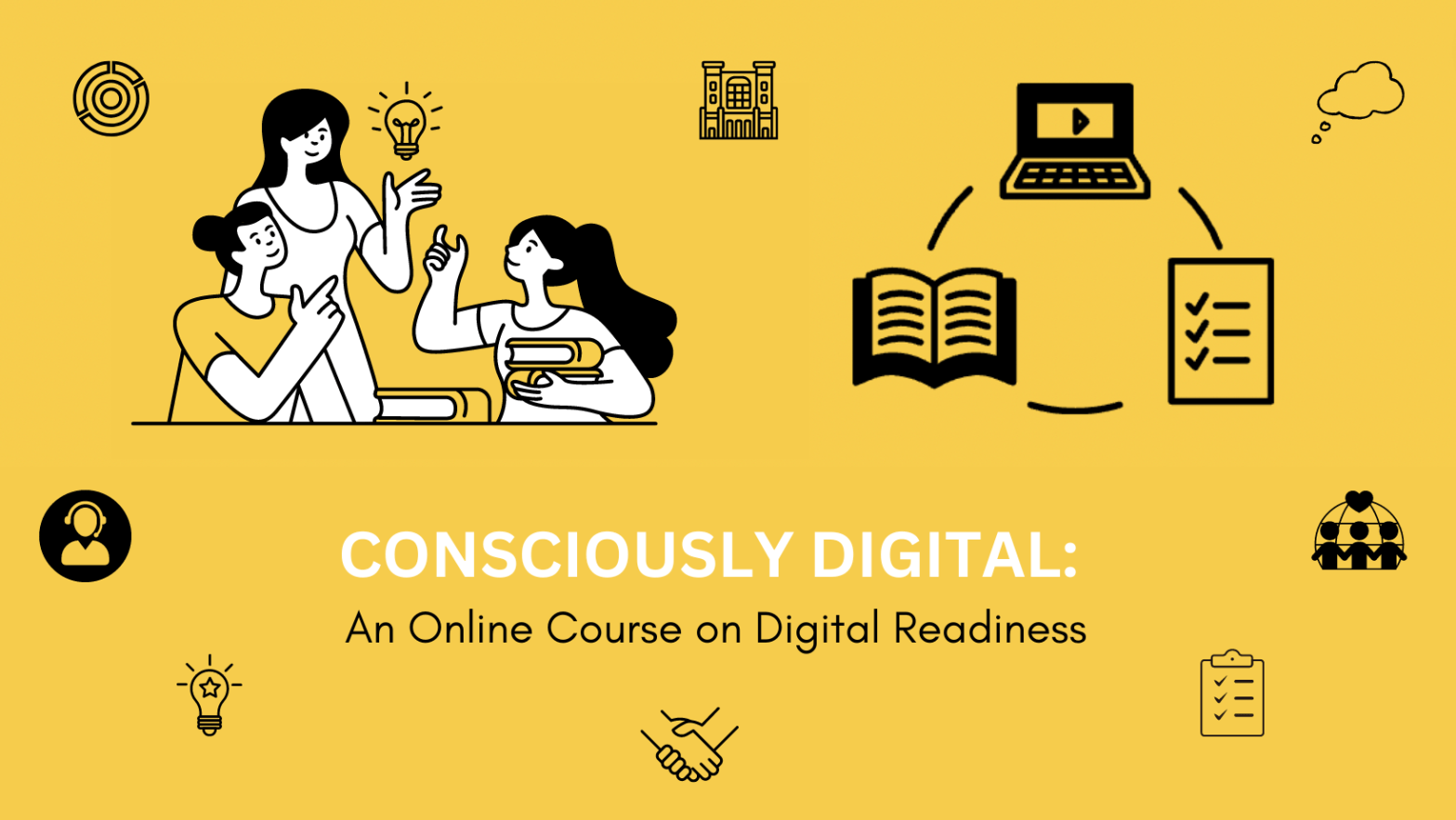
Our free online course on Digital Readiness: Consciously Digital

This article gives you a bit of a background about how this course was born, what questions it aims to respond and what areas it focuses on. If you’d rather skip this introduction, just scroll down until the “Download” picutre.

Although the digital age has been here with us for decades, societies and individuals have taken technology as an eventual alternative. When the Covid 19 pandemic hit, we suddenly had no choice: technology and digital, as only alternatives, ceased to exist and we needed to rely on technology more than ever before. The forced shift to more dynamic digital presence left us no time to really consciously shape how we work, learn, communicate, cooperate and exist as individuals and communities in the online spaces. So the question arises: are we ready?

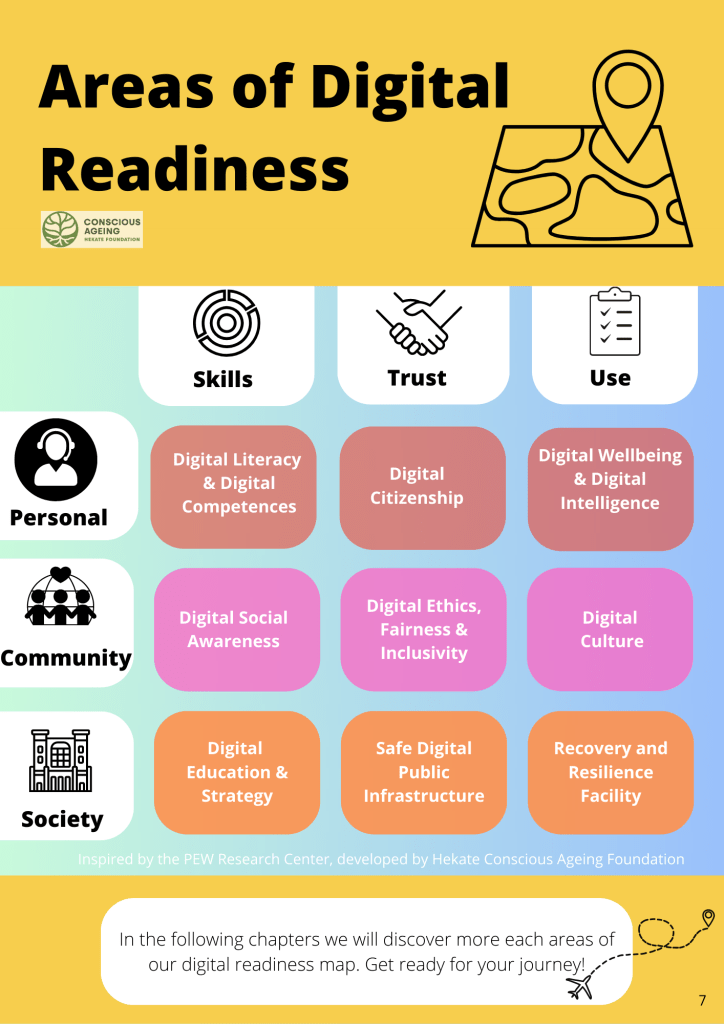
During one of our projects, co-founded by the European Commission, called DigInclude, we’ve dedicated massive thoughts to reflect on this ourselves and approach this question from different angles. Are we ready as individuals? Do we have the necessary skills, trust and attitude that make us ready indeed? Are our communities ready digitally? What it takes to be ready on a community level and how we can support that? What do our societies look like? Do we have the infrastructure that makes us all ready? How about governmental support? Along these questions we’ve dealt with various topics that we consider key areas when aiming to obtain Digital Readiness. The topics are as per the following:

  • Digital Literacy
  • Digital Competences
  • Digital Social Awareness
  • Digital Education & Strategy
  • Digital Citizenship
  • Digital Ethics
  • Fairness & Inclusivity
  • Digital Inclusion
  • Safe and Inclusive Digital Public Infrastructure (DPI)
  • Digital Wellbeing
  • Digital Intelligence (DQ)
  • Digital Culture
  • Recovery and Resilience Facility & Strategy

So that the people we work with, individuals and communities, can also reflect on the same, we’ve designed and created and online course to guide you through the process. About the course:

  • It’s available online, you can download and print it for yourself
  • It provides basic understanding on the areas listed above and invites you to dig deeper in the resources if you’d like
  • It has hints & tips for improving in each area
  • It invites you to reflect, with the guided questions or assignments, on each area
  • It’s gives you the freedom to go as slow or fast as you’d like

The online course is available:

here in English

here in Dutch

here in Hungarian!

The material is free of charge. Please remember to refer to us when sharing the material, we’ll be grateful for this little contribution from you! Thank you. 🙂

If you have any questions concerns, please get in touch via nora@hekatefoundation.org.

Would you like to take this course while reflecting on this with people of similar interests yet different perspectives? Let us invite you then to our Digital Learning Hub, our free forum to discussions, co-learning, and discovering around specific topics. A simple registration and you’re in!

The course was born as part of the Erasmus+ project “DigInclude – Developing Digital Skills in Disadvantaged Groups” and co-funded by the European Union.

Ageing consciously in a digital and AI driven world?

Our World is changing at an unexpected speed. Digital solutions are replacing services previously provided by humans. Many of us do banking, shopping, and working online. As a result, post offices, bank branches, and even pubs are closing down in many cases. Healthcare and elderly care are more and more digitalized. AI is now used in diagnosing cancer and all kinds of other illnesses, and it is promised to replace humans in many professions.

In the meantime, Europe is ageing, the population is getting older and older.

What will Europe look like in 20 years? Nobody knows… But what we know is that in the middle of the care crisis, the climate crisis, and in many places the housing crisis, there is a lot to think about if we are trying to be conscious about our old age.Continue reading “Ageing consciously in a digital and AI driven world?”